PATHOLOGIES

FOREFOOT CONDITIONS

Hallux Valgus (Bunion)​

What is it?

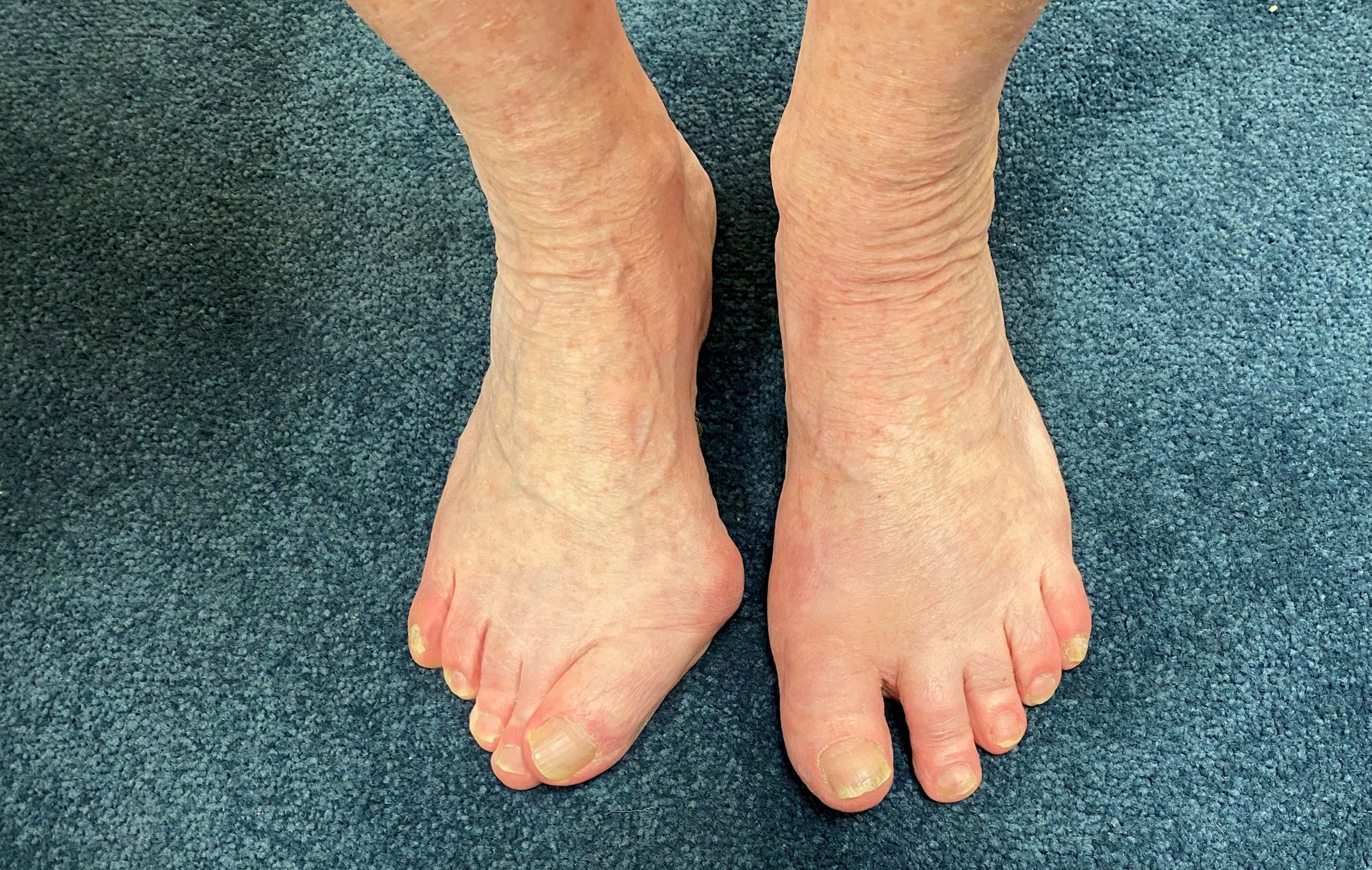
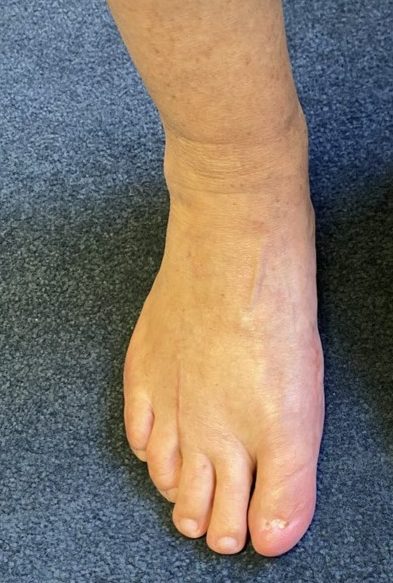
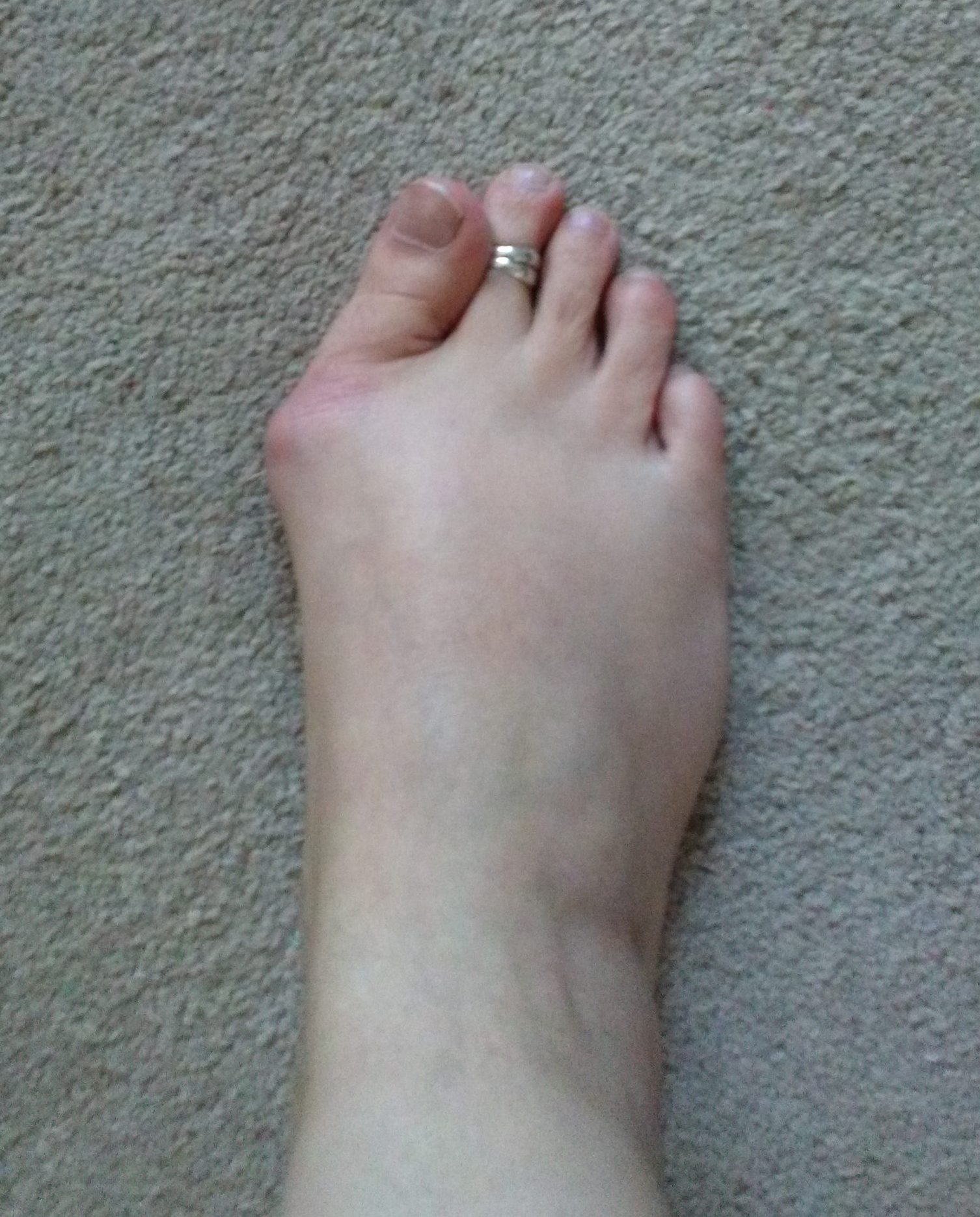
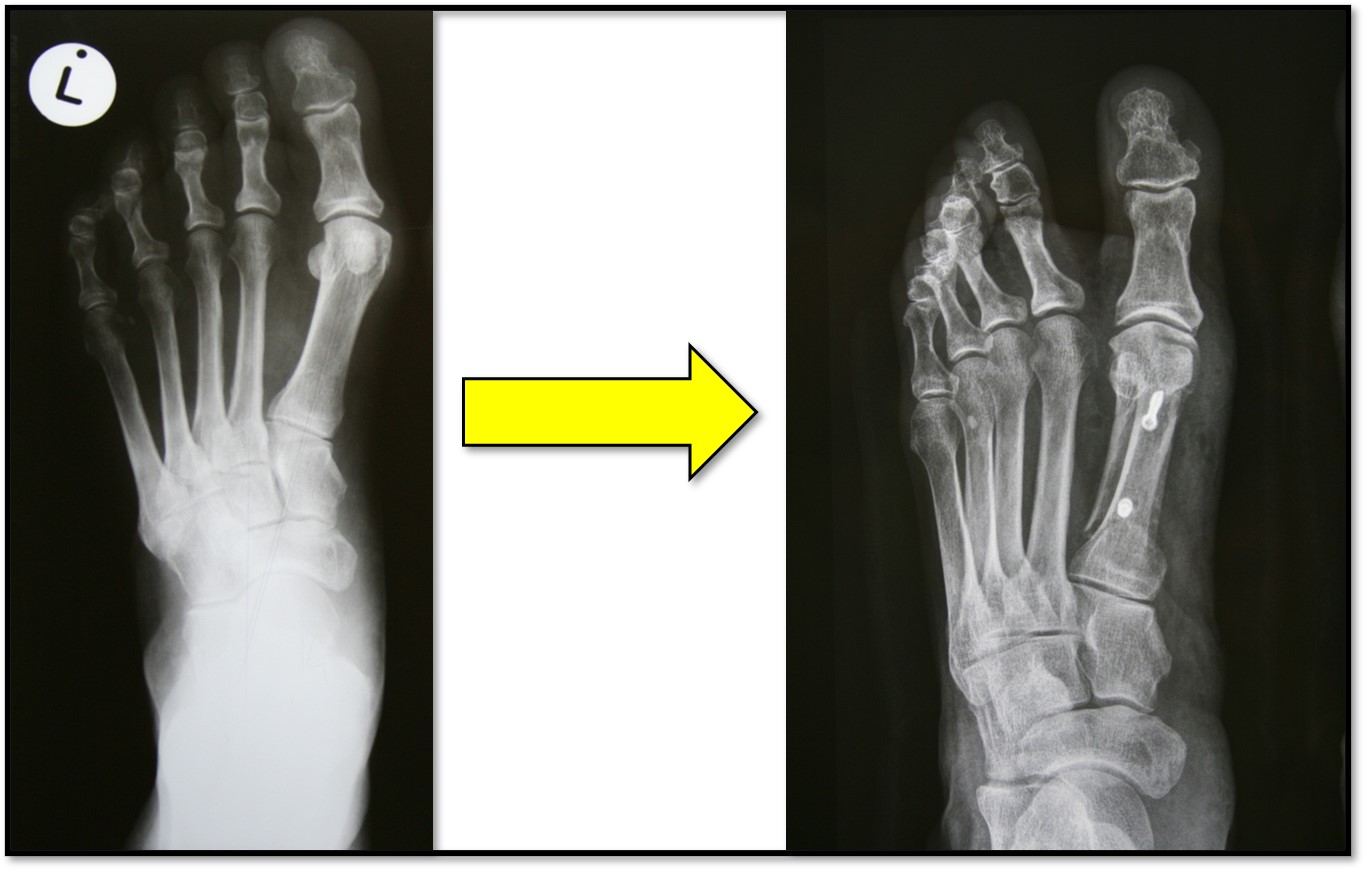
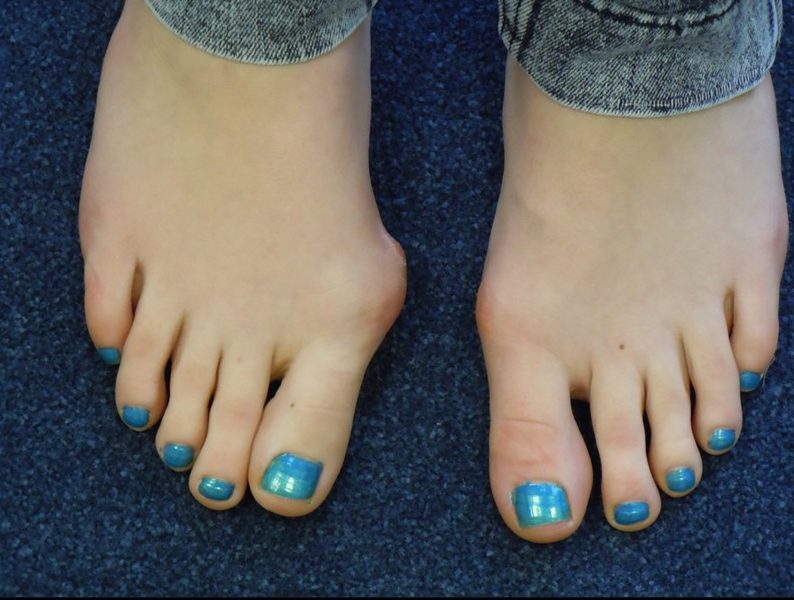
Hallux valgus, commonly known as a bunion, is a deformity where the big toe (hallux) deviates laterally (toward the second toe), while the first metatarsal bone drifts medially. This results in a prominent bump on the inner side of the foot at the base of the big toe.​

CAUSES
  • Genetic predisposition (family history is common)
  • Flat feet or abnormal foot mechanics
  • Tight or narrow footwear (especially high heels)
  • Ligament laxity or joint hypermobility
  • Conditions such as rheumatoid arthritis
  • Pain and swelling over the bunion
  • Difficulty wearing shoes comfortably
  • Redness or callus formation at the bump
  • Progressive drifting of the big toe
  • Secondary deformities (e.g., hammer toes) may develop​
  • Clinical examination: visible deformity, joint tenderness, range of motion
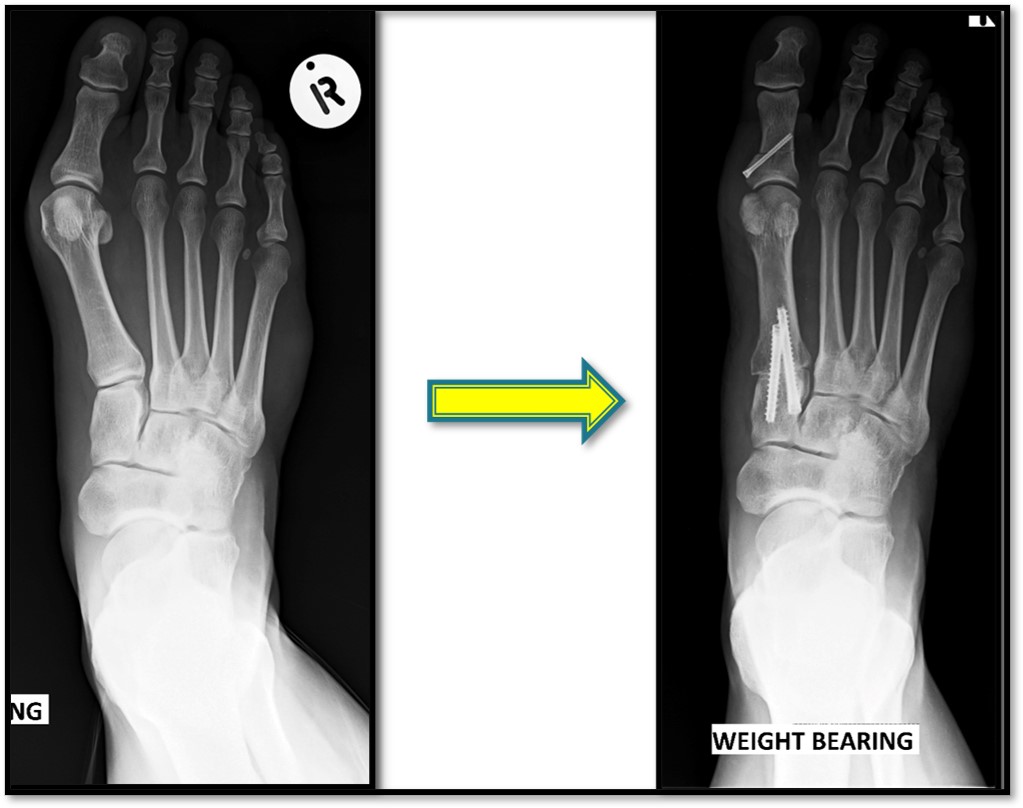
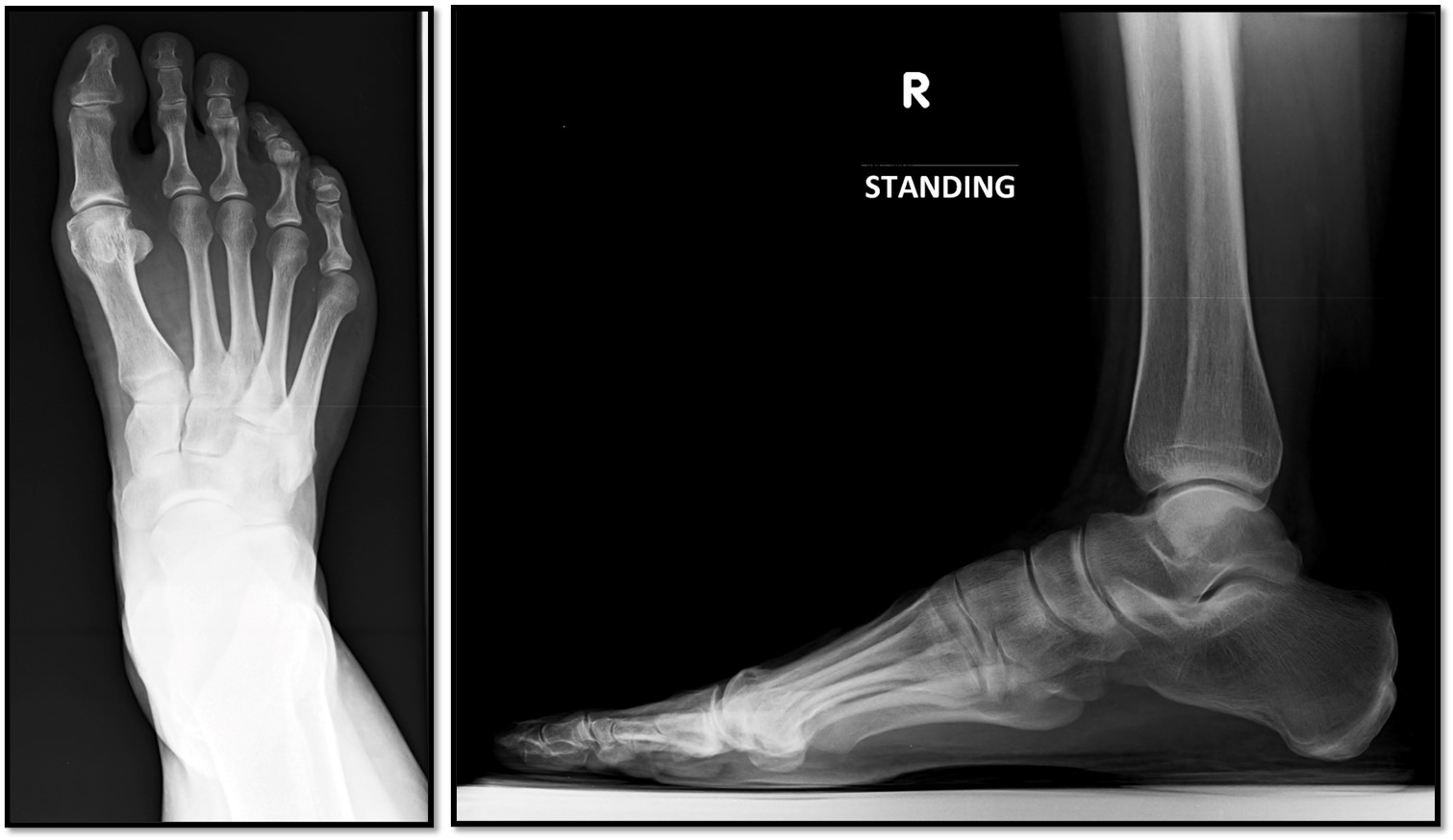
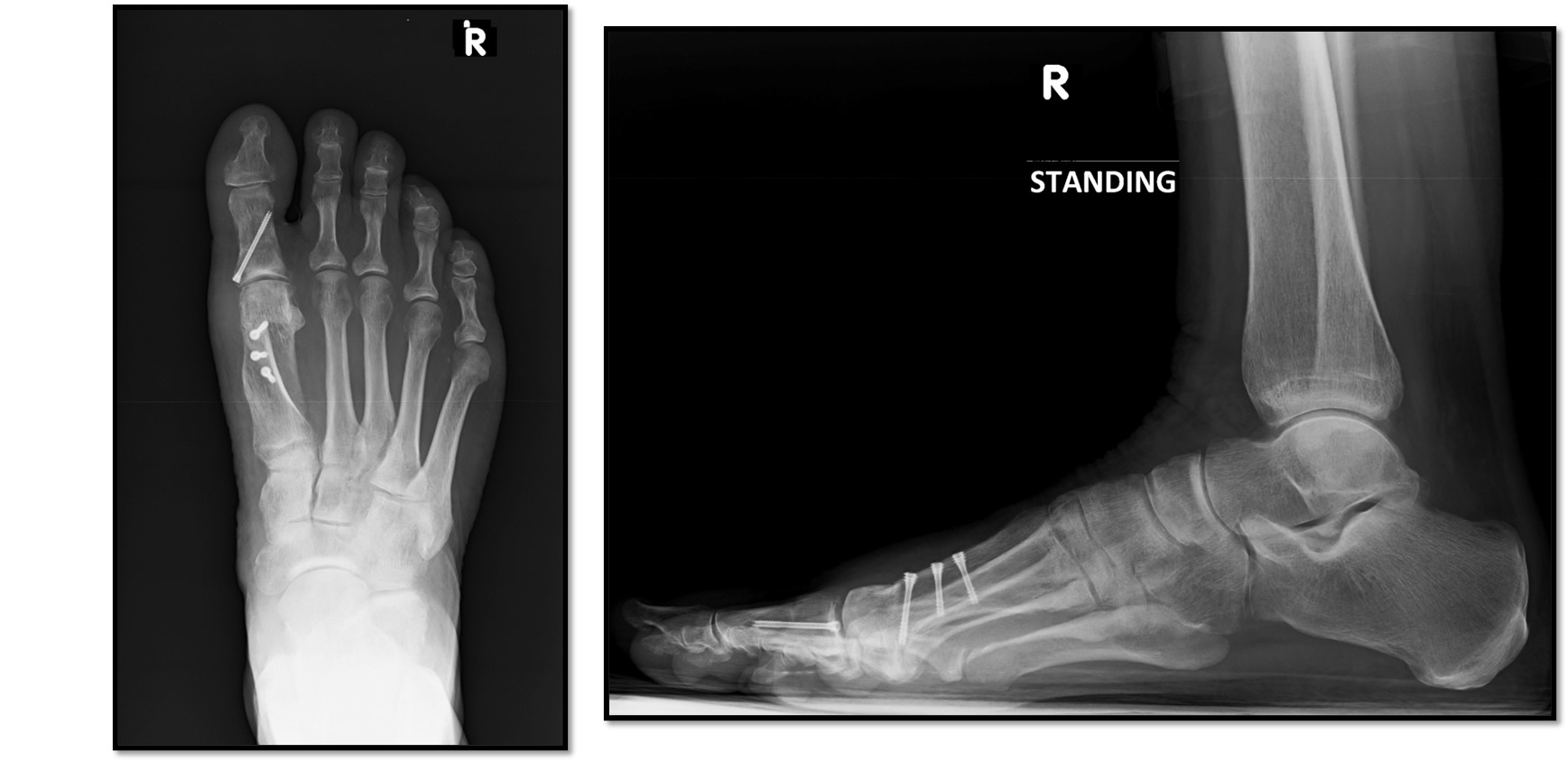
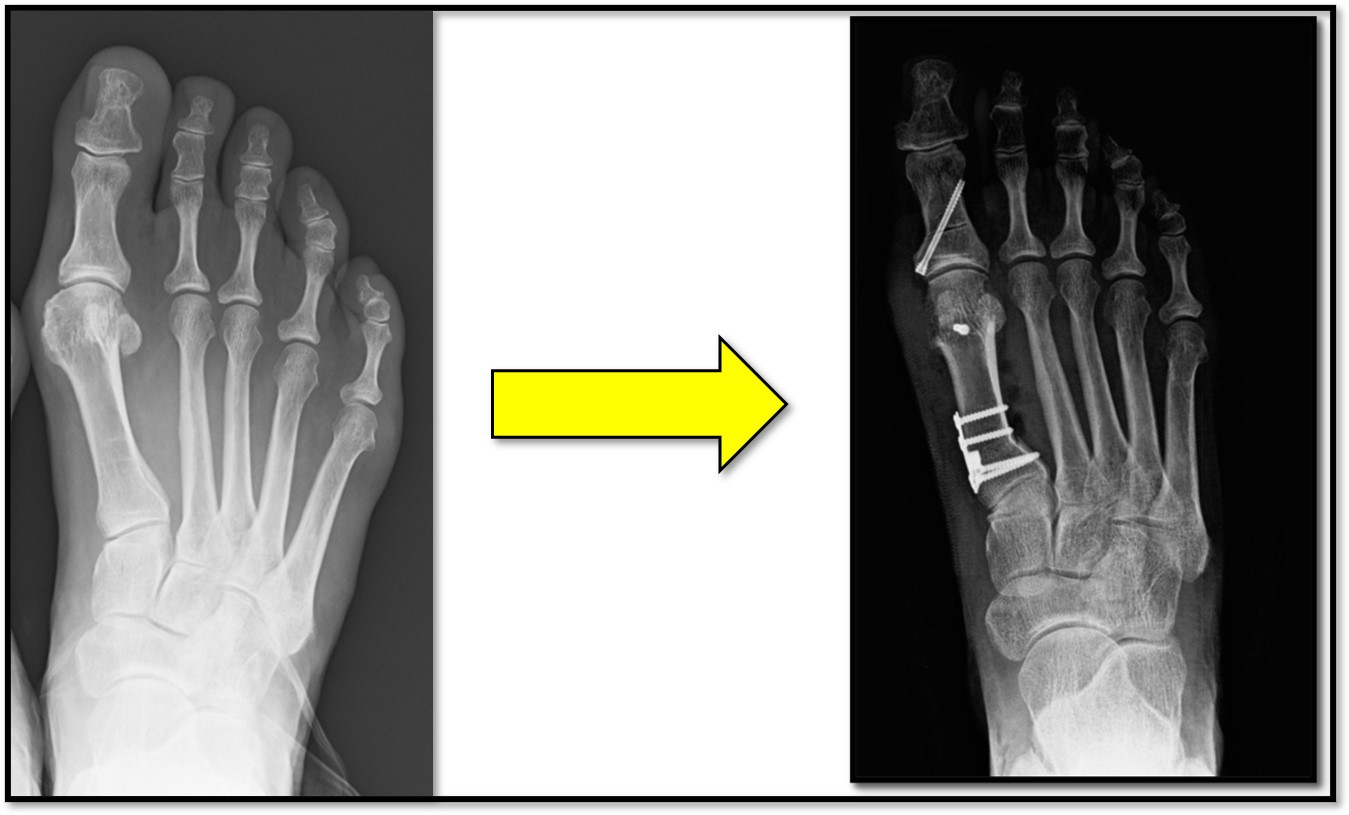
  • X-rays: to assess severity (measuring angles like the hallux valgus angle and intermetatarsal angle) and guide surgical planning​

Non-Surgical

  • Wider, supportive footwear
  • Orthotics to offload pressure
  • Toe spacers or splints (for symptom relief, not correction)
  • Anti-inflammatory medication for pain​

Surgical

Indicated if pain and deformity persist despite conservative care. Options include:

  • Osteotomies (Bony alignment)
  • Soft tissue realignment
  • Fusion procedures in severe or arthritic cases​

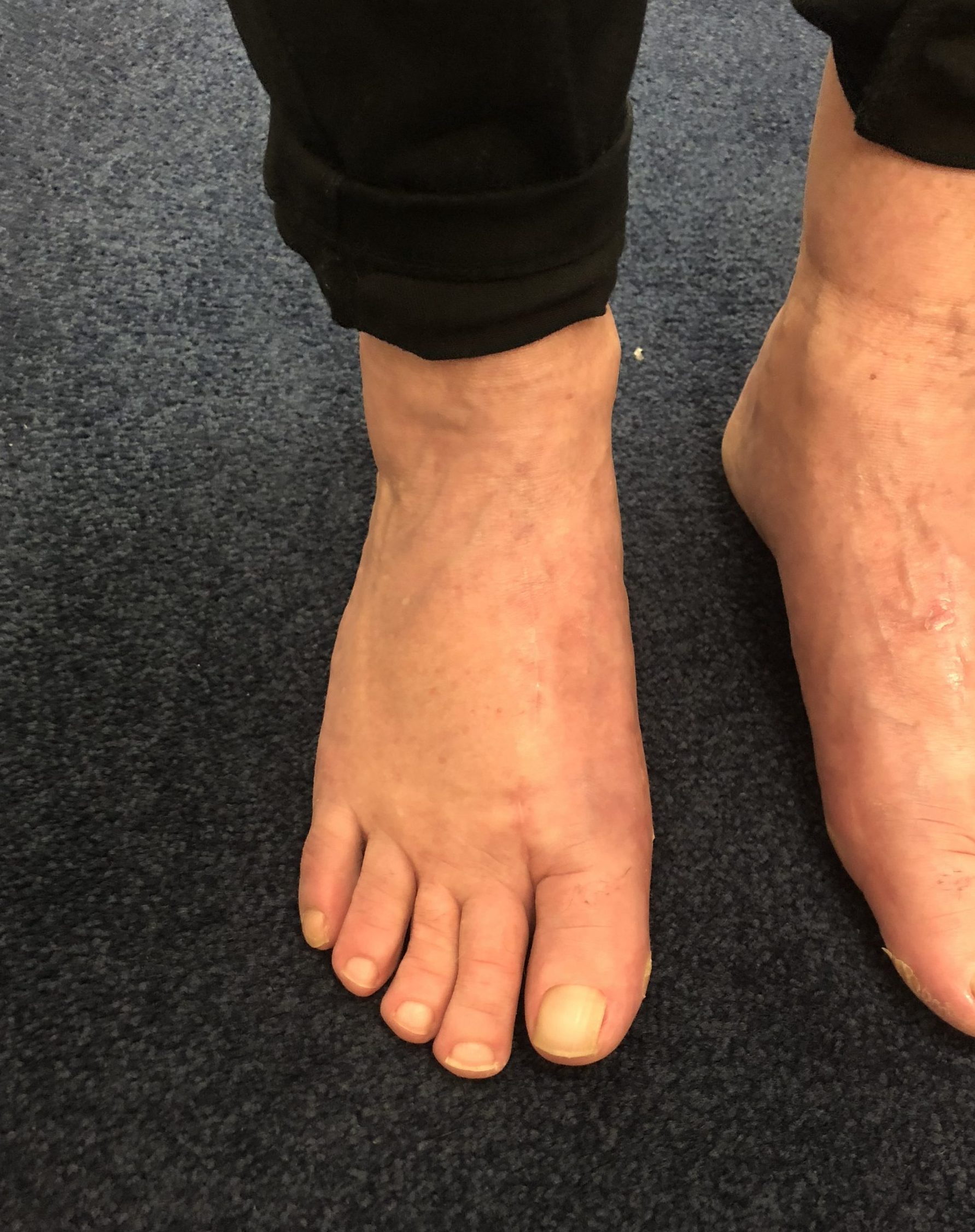
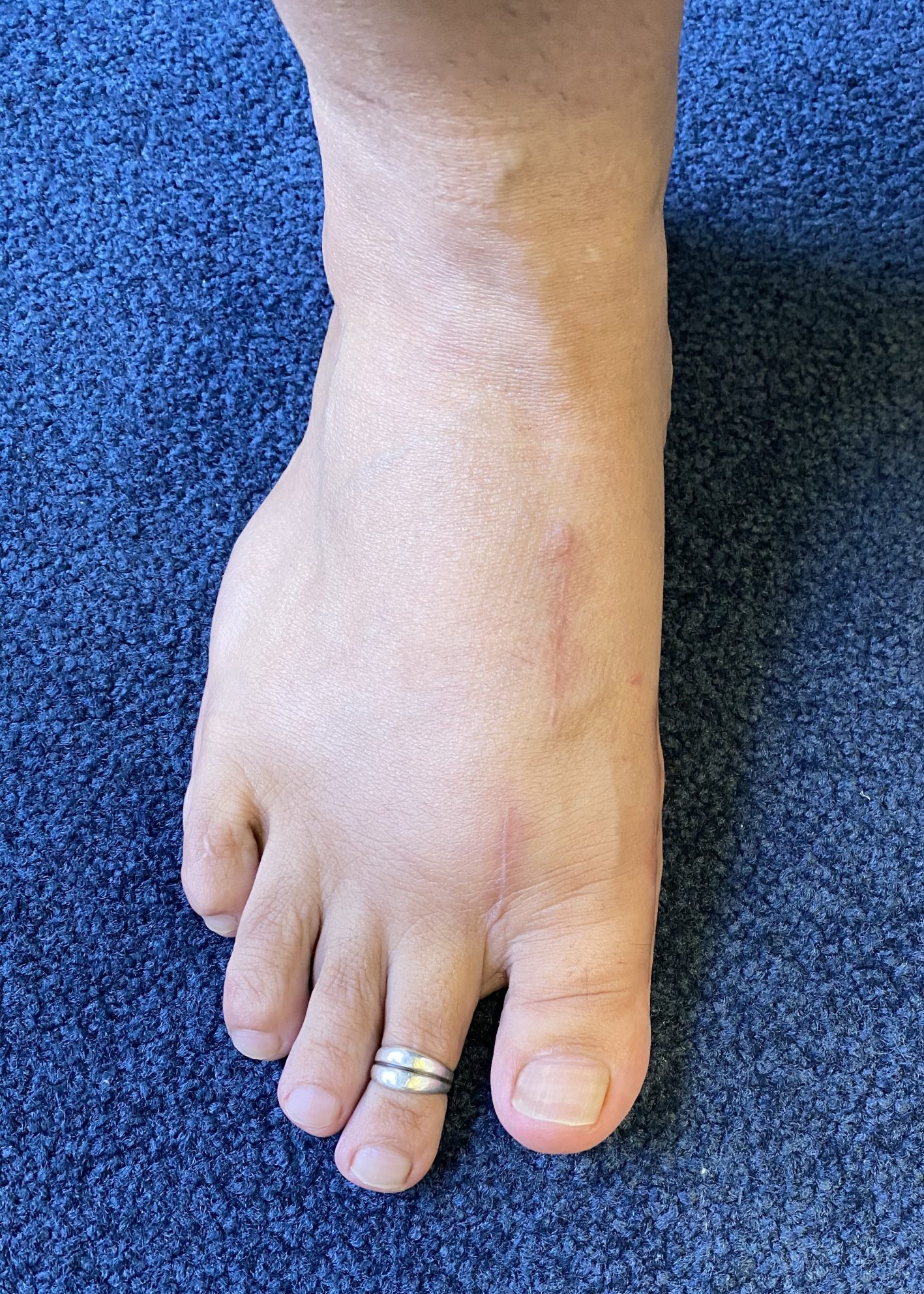
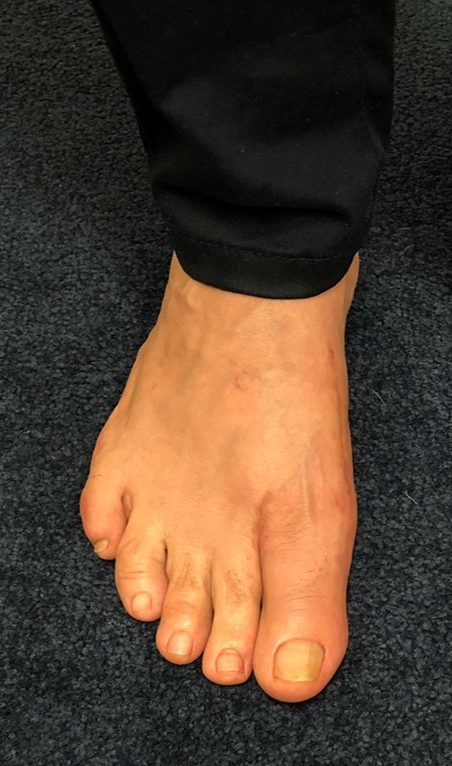
Surgery realigns the bones, corrects the deformity, and relieves pressure on surrounding tissues.​

Most patients improve significantly with surgery if symptoms are severe. Long-term success depends on the correction of alignment and post-operative rehabilitation.