info@footandankleunit.co.za | +27 11 647 3735 | +27 11 485 1974 | +27 11 647 3435
PATHOLOGIES
ANKLE CONDITIONS
Ankle Fracture
What is it?
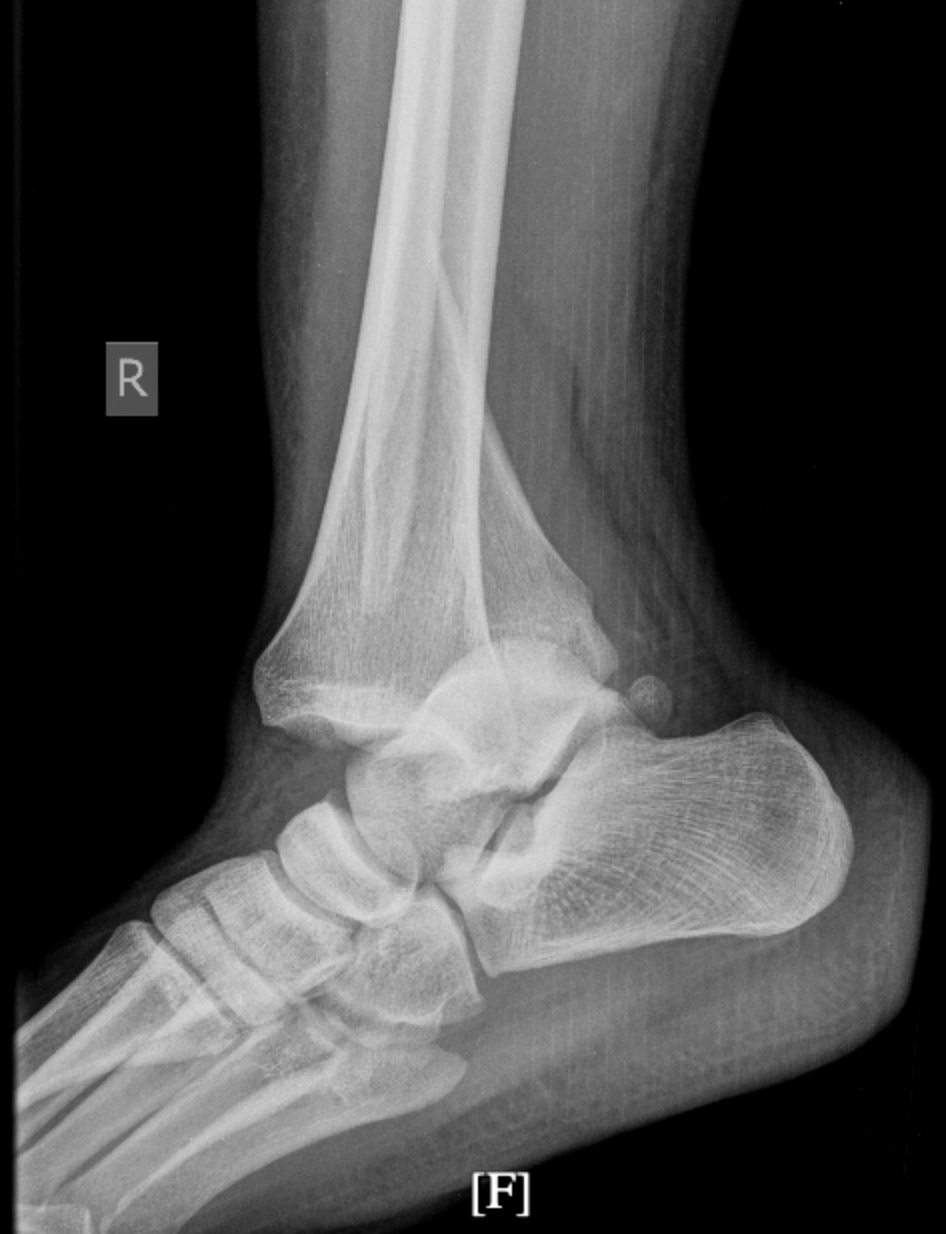
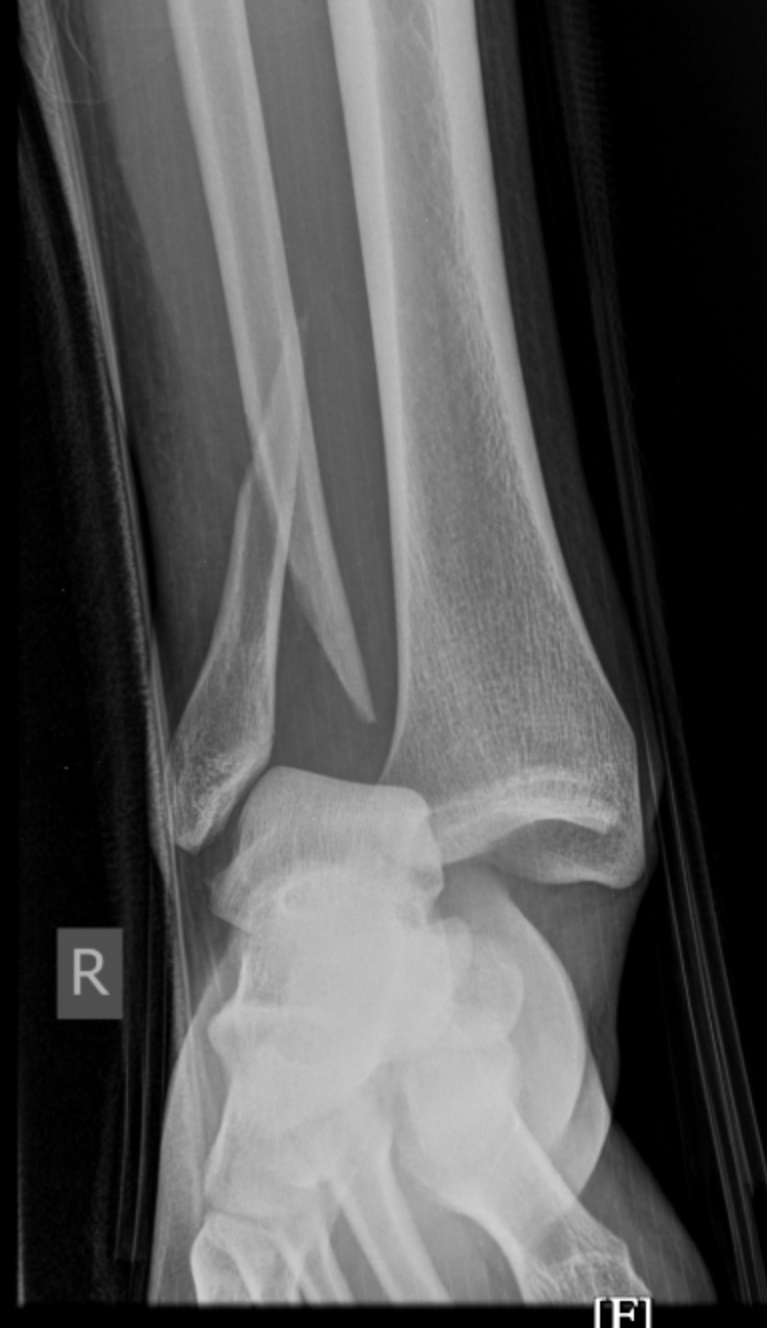
An ankle fracture refers to a break or crack in one or more of the bones that form the ankle joint, including the tibia (shin bone), fibula (outer bone of the lower leg), and talus (the bone that forms the lower part of the ankle joint). Ankle fractures are common injuries and can range from mild to severe, depending on the extent of the break and whether the bones are displaced or aligned.
Types
Ankle fractures are categorized based on which bones are broken and the nature of the injury.
- Stable Fracture: The broken bone(s) remain in alignment, and the ankle joint is generally stable.
- Unstable Fracture: The broken bone(s) are displaced, and the joint may lose its normal alignment, causing instability.
Ankle fractures can also be classified according to the location of the fracture:
- Lateral Malleolus Fracture: The fibula, the outer bone of the lower leg, breaks near the ankle.
- Medial Malleolus Fracture: The tibia, the inner bone of the lower leg, breaks near the ankle.
- Bimalleolar Fracture: Both the fibula and tibia are broken, which can significantly affect ankle stability.
- Trimalleolar Fracture: A fracture involving the fibula, tibia, and the posterior malleolus (the back part of the tibia). This is a more complex injury.
- Pott’s Fracture: A specific type of bimalleolar fracture that occurs when both the lateral and medial malleoli are fractured, often accompanied by ligamentous injury.
CAUSES
Ankle fractures are usually caused by trauma or stress to the ankle joint. The most common causes include:
- Twisting injuries: When the foot is planted, and the body twists or turns, often seen in sports like running, basketball, or skiing.
- Falls: Falling from a height or stumbling can cause the ankle to bend or twist unnaturally, leading to a fracture.
- Direct impact: A blow or direct trauma to the ankle, such as from a car accident or sporting collision.
- Repetitive stress: In some cases, repetitive stress or overuse can lead to stress fractures in the ankle.
SYMPTOMS
Common symptoms of an ankle fracture include:
- Pain: Intense pain at the site of the fracture, especially when trying to move or bear weight on the foot.
- Swelling and bruising: Swelling around the ankle joint and bruising may appear shortly after the injury.
- Deformity: A visible deformity or abnormal position of the ankle, particularly in severe fractures where the bones are displaced.
- Limited movement: Difficulty or inability to move the ankle or bear weight due to pain and instability.
- Tenderness: Tenderness when gently touching the injured area, especially around the bones.
DIAGNOSIS
- Physical examination: A thorough evaluation of the foot and ankle to assess alignment, range of motion, and areas of tenderness.
- X-rays: X-ray imaging is essential to visualize bone fractures and assess the alignment of the joint. Multiple views may be taken to get a complete picture of the injury.
- CT scan: A CT scan may be used for more complex fractures or to assess bone fragments and joint alignment in greater detail.
- MRI: If there is concern about soft tissue injury (such as ligaments or cartilage), an MRI may be ordered.
TREATMENT OPTIONS
Treatment for an ankle fracture depends on the type and severity of the fracture, and whether the fracture is stable or unstable.
Non-Surgical Treatment:
For stable fractures or fractures where the bones are well-aligned, treatment typically involves:
- Rest: Limiting movement to avoid further strain on the injured ankle.
- Immobilization: The ankle may be placed in a cast or boot to keep the bones in place while they heal. The patient may also be instructed to use crutches to avoid weight-bearing.
- Ice and elevation.
- Pain management: Over-the-counter pain relievers, such as NSAIDs, may be recommended to reduce pain and swelling.
- Physical therapy: Once healing has occurred, physical therapy may be needed to restore strength, flexibility, and function to the ankle joint.
Surgical Treatment:
For unstable fractures or fractures where the bones have been displaced, surgery may be necessary. Surgical options include:
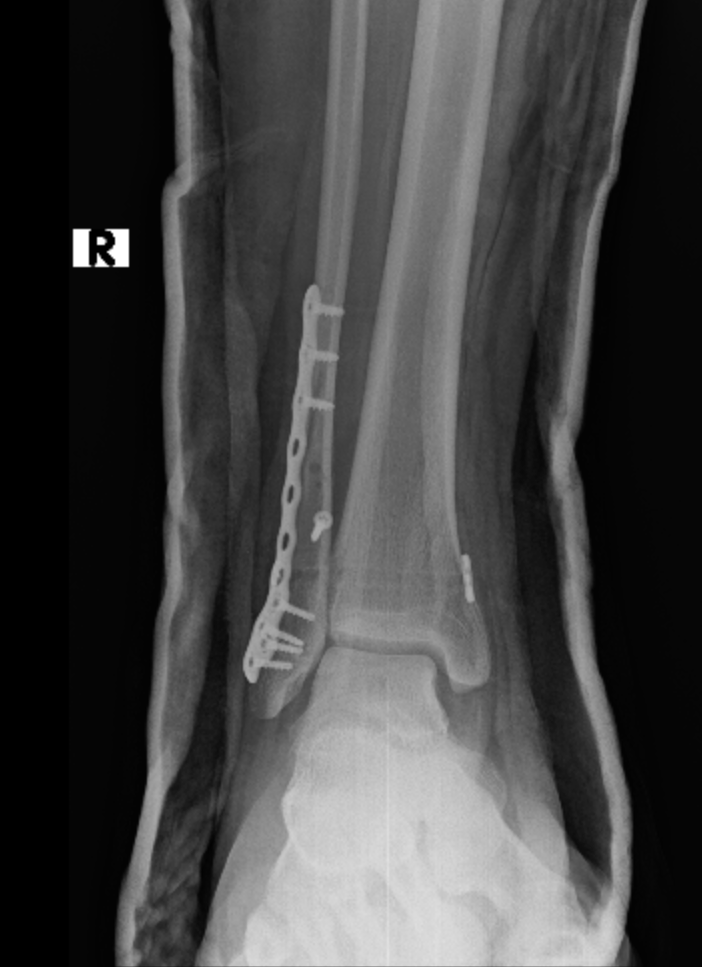
- Open reduction and internal fixation (ORIF): In this procedure, the broken bones are realigned (reduced) and held in place using plates, screws, or pins. This is the most common surgical treatment for displaced fractures.
- External fixation: In some cases, an external frame may be used to stabilize the ankle while it heals. This is typically used in severe or complex fractures.
- Fusion: In rare cases, especially if the joint is severely damaged, a fusion of the bones in the ankle joint may be considered to provide long-term stability.
RECOVERY AND REHABILITATION
The recovery time for an ankle fracture depends on the severity of the injury, the type of fracture, and whether surgery was needed.
- For non-surgical fractures: Recovery typically takes around 6-8 weeks with the use of a cast or boot. After the cast is removed, physical therapy is often necessary to regain full mobility and strength.
- For surgical fractures: Surgery usually requires a longer recovery period, typically around 8-12 weeks or more, depending on the complexity of the fracture. Weight-bearing may be restricted for a period, and physical therapy will be essential to restore function.
- Return to activity: High-impact activities (e.g., running, jumping) should be avoided until the ankle has fully healed and the strength and flexibility have been restored.
PROGNOSIS
- Good recovery with proper treatment: Most people recover well after an ankle fracture with appropriate treatment, although recovery time can vary.
- Potential complications: In some cases, complications such as joint stiffness, arthritis, or nerve damage can occur, particularly if the fracture is severe or not properly treated.
- Rehabilitation importance: Physical therapy is crucial for regaining full function of the ankle and preventing long-term problems like weakness or instability.