info@footandankleunit.co.za | +27 11 647 3735 | +27 11 485 1974 | +27 11 647 3435
PATHOLOGIES
ANKLE CONDITIONS
Lateral Ankle Ligament Sprain
What is it?
A lateral ankle sprain is an injury to the ligaments on the outer side of the ankle, most commonly caused by the foot rolling inward (inversion). It’s the most common sports and everyday injury.
Anatomy
The lateral ligament complex consists of three main ligaments:
- Anterior talofibular ligament (ATFL) – most commonly injured
- Calcaneofibular ligament (CFL)
- Posterior talofibular ligament (PTFL) – rarely injured unless severe
CAUSES
- Sudden twisting or rolling of the ankle during walking, running, or jumping
- Landing awkwardly from a height
- Sports that involve cutting or rapid directional change (e.g., football, basketball, trail running)
SYMPTOMS
- Pain on the outer ankle
- Swelling and bruising within hours
- Tenderness over the injured ligament(s)
- Difficulty weightbearing or walking
- Feeling of instability or giving way (especially if chronic)
DIAGNOSIS
- Clinical examination: Assess ligament tenderness, swelling, and ankle stability (e.g., anterior drawer test)
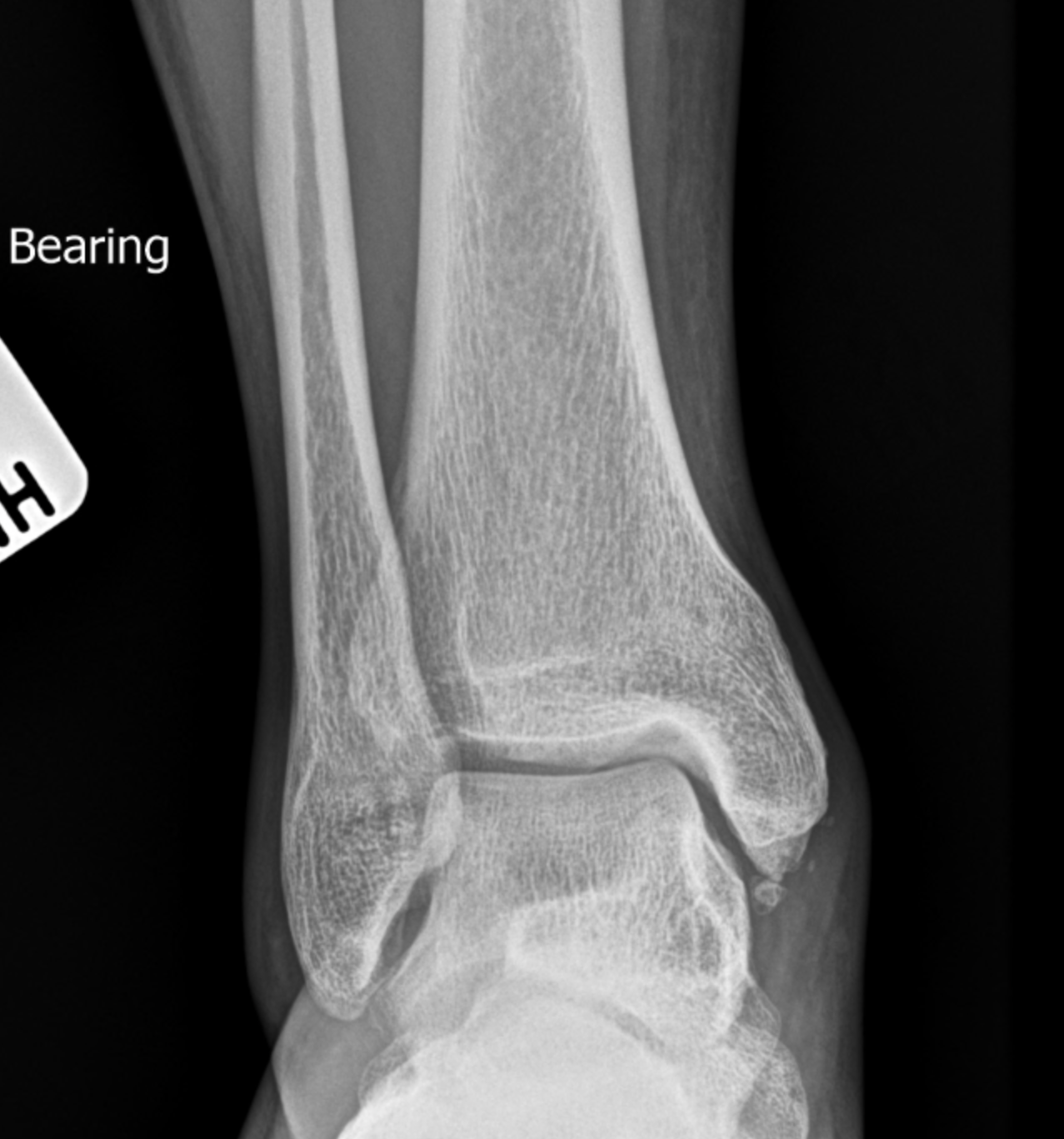
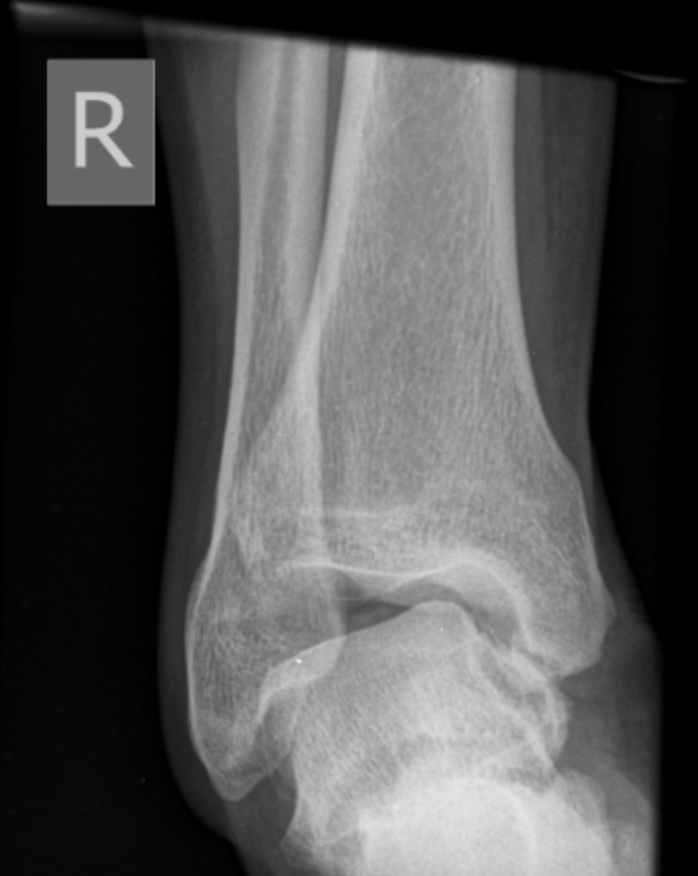
- X-rays: To rule out fractures
- MRI: May be used in chronic or severe cases to assess ligament and cartilage damage (MRI and ultrasound is rarely indicated in the acute situation)
GRADING THE INJURY
- Grade I (mild): Microscopic tear, minimal swelling
- Grade II (moderate): Partial ligament tear, moderate swelling and difficulty walking
- Grade III (severe): Complete tear, significant swelling, instability
TREATMENT OPTIONS
Non-Surgical (mainstay of treatment)
R.I.C.E. Protocol (first 48–72 hrs):
- Rest
- Ice
- Compression
- Elevation
Other interventions:
- Functional rehabilitation: Key to recovery
- Ankle brace or taping during activity
- Physiotherapy: Focus on strength, proprioception, and balance
- Gradual return to sport over 2–8 weeks depending on severity
Surgical
Reserved for:
- Chronic instability despite rehab
- High-grade injuries in elite athletes
- Associated injuries (e.g., osteochondral lesions)
Procedures may involve ligament repair or reconstruction.
PROGNOSIS
- Most recover fully with conservative treatment.
- Recurrent sprains may occur if rehab is inadequate.
- Strengthening and proprioceptive training are essential to prevent re-injury.