info@footandankleunit.co.za | +27 11 647 3735 | +27 11 485 1974 | +27 11 647 3435
PATHOLOGIES
FOREFOOT CONDITIONS
Sesamoiditis
What is it?
Sesamoiditis is an overuse injury causing inflammation of the sesamoid bones—two small, pea-shaped bones embedded in the tendon beneath the big toe joint (first metatarsophalangeal joint). These bones act like pulleys, increasing the leverage of the tendon and helping you push off when you walk or run (Similar function to the patella in the knee).
CAUSES AND RISK FACTORS
- Repetitive forefoot loading: Activities like running, ballet, or court sports that require strong push-offs
- Foot structure: High arches or a longer first metatarsal can increase pressure on the sesamoids
- Improper footwear: Shoes with thin soles or without adequate forefoot cushioning
- Biomechanical abnormalities: Overpronation, hallux valgus, or limited ankle dorsiflexion
SYMPTOMS
- Pain under the big toe joint, especially when pushing off or standing on tiptoe
- Swelling and tenderness directly beneath the sesamoid bones
- Bruising in acute overload cases
- A feeling of “walking on a pebble”
- Symptoms worsen with activity and improve with rest
DIAGNOSIS
- Clinical examination: Tenderness at the sesamoid region, pain with passive dorsiflexion of the big toe
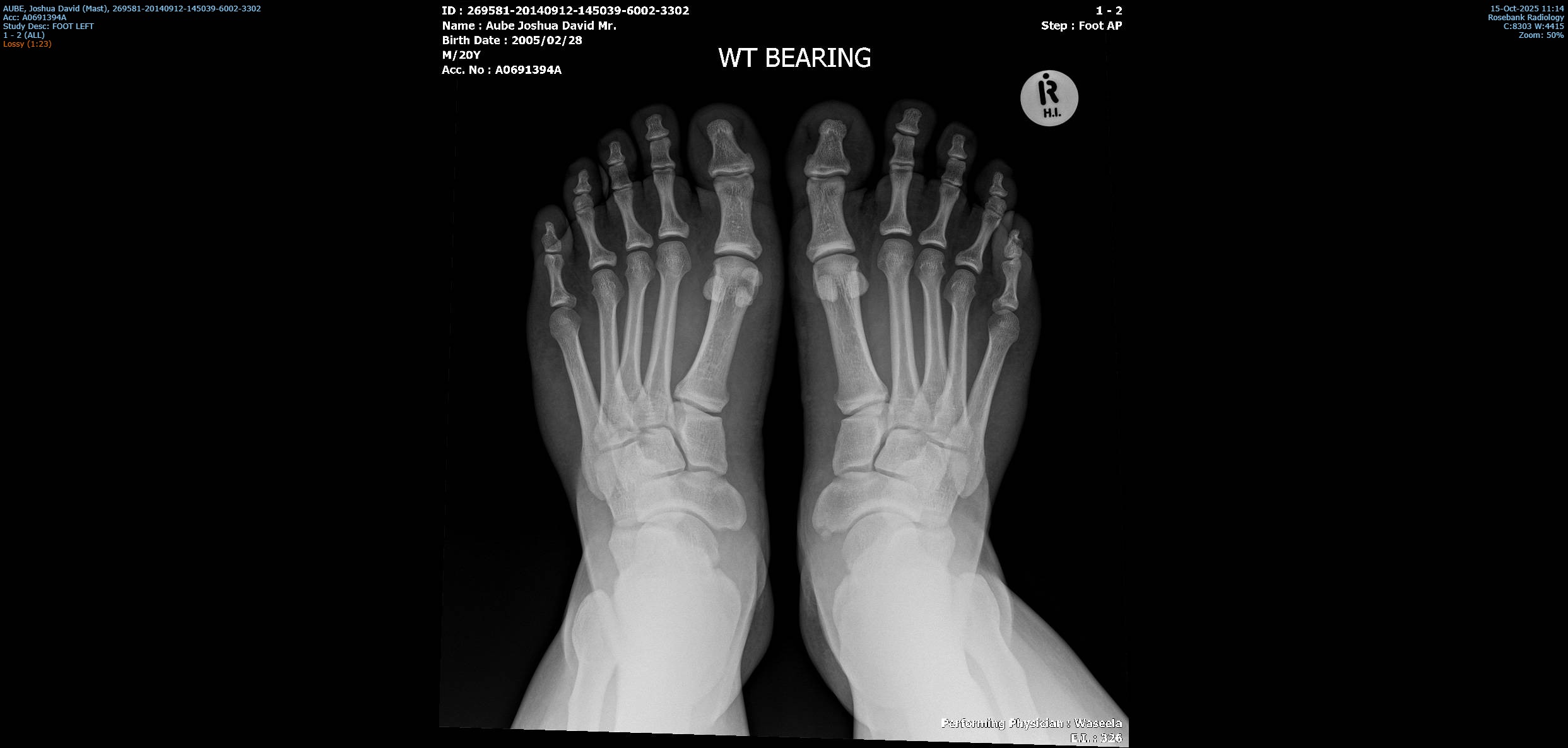
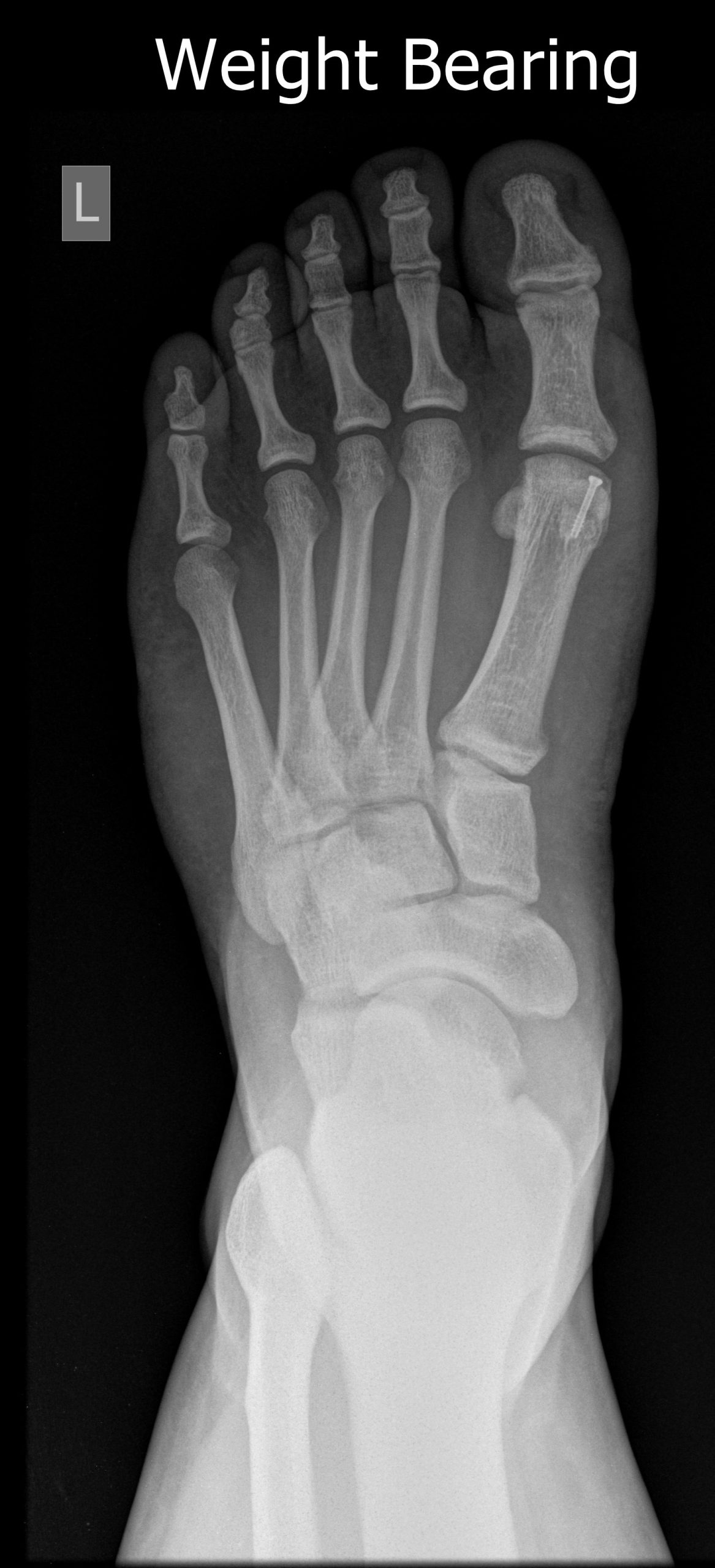
- X-rays: To rule out fractures, bipartite sesamoid variants, or arthritis
- Bone scan or MRI: If chronic or unclear—can detect stress reactions, marrow oooedema, or tendon inflammation
- Diagnostic injection: Local anaesthetic under fluoroscopy can confirm the source of pain
TREATMENT OPTIONS
Non-Surgical (first-line)
- Activity modification: Reduce high-impact activities; switch to low-impact cross-training
- Footwear: Wide toe box shoes, rocker-sole shoes, or sneakers with forefoot padding
- Orthotics: Metatarsal pads or custom insoles to off-load pressure from the sesamoids
- Ice & NSAIDs: To control pain and inflammation
- Padding & strapping: Sesamoid-specific pads or tape to cushion and limit motion
- Physical therapy: Gentle range-of-motion exercises, Achilles/calf stretching, intrinsic foot strengthening
Surgical (rare)
- Sesamoidectomy: Removal of one or both sesamoid bones if chronic pain persists despite ≥6–12 months of conservative care
- Tendon repair: If the flexor hallucis brevis tendon is torn or degenerated
PROGNOSIS
- Most cases resolve within 6–8 weeks of consistent conservative treatment and depending on the cause.
- Chronic or severe cases may take 3–6 months to fully recover.
- Surgery is uncommon but generally successful when indicated, but recovery can take several months with focused rehabilitation.