info@footandankleunit.co.za | +27 11 647 3735 | +27 11 485 1974 | +27 11 647 3435
PATHOLOGIES
FOREFOOT CONDITIONS
Bunionette Deformity
What is it?
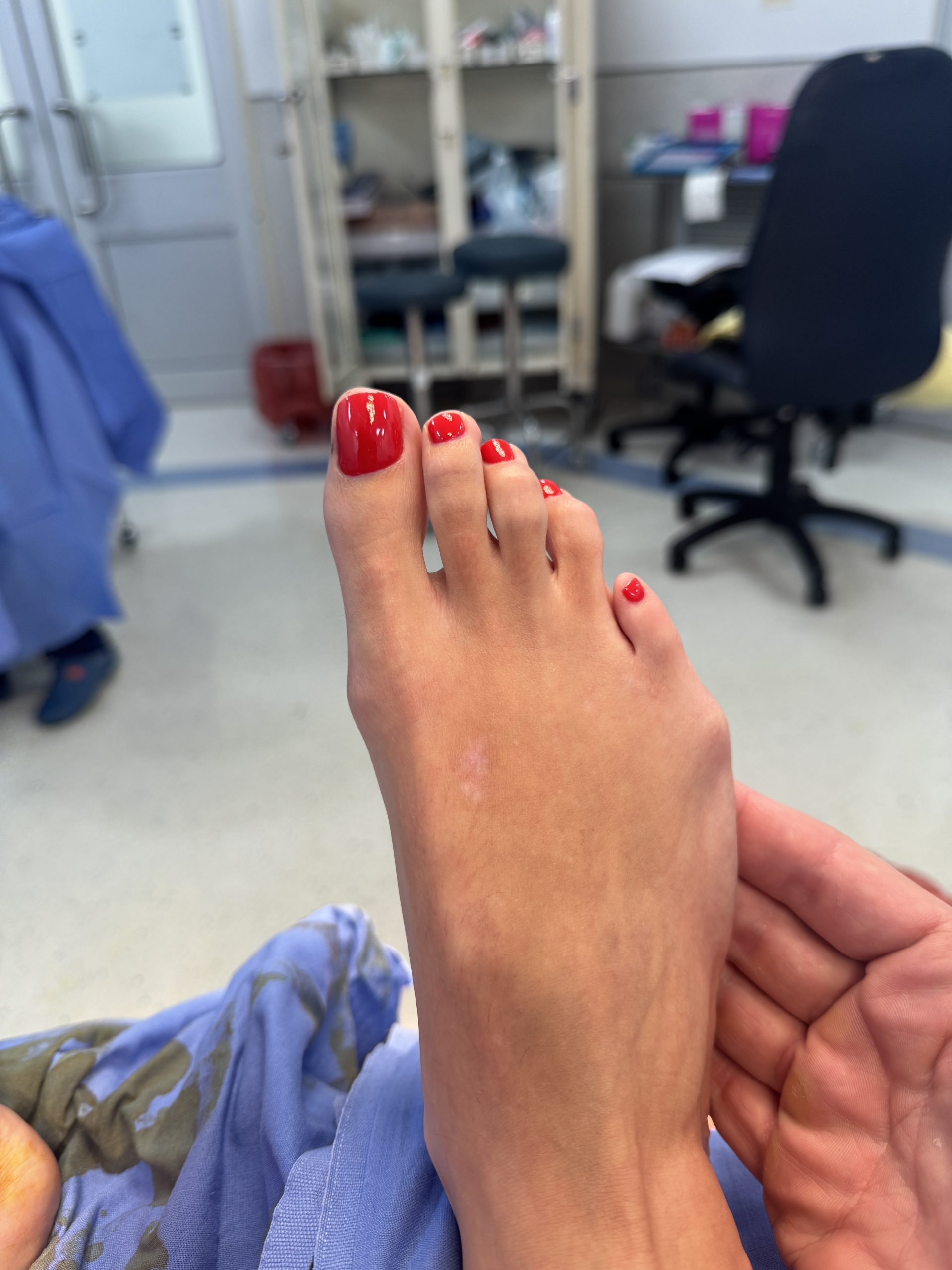
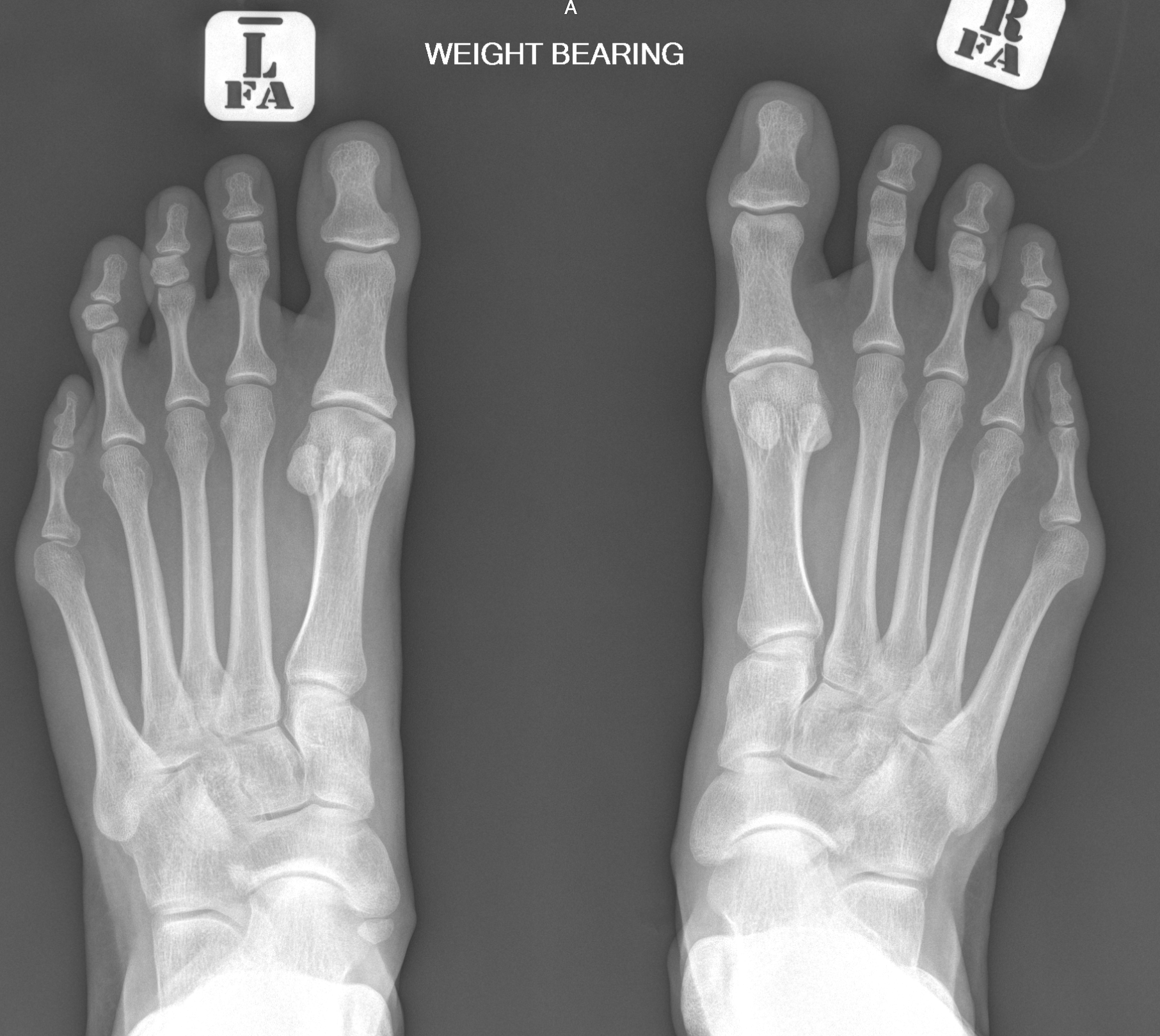
A bunionette deformity (also known as Tailor’s Bunion) is a condition where there is a bony bump that forms on the outside of the foot, at the base of the little toe (fifth metatarsal). This deformity is similar to the more common bunion (hallux valgus), but instead of affecting the big toe, it affects the little toe and its surrounding joint.
The condition occurs when the fifth metatarsal bone at the base of the little toe shifts out of alignment, causing the bone to protrude outward. Over time, the surrounding soft tissue may become irritated, and painful calluses or corns can develop over the bump.
CAUSES
- Footwear: Tight or ill-fitting shoes, especially those with narrow toes, can place pressure on the outside of the foot, contributing to the development of a bunionette
- Genetics: A family history of bunions or bunionettes can increase the likelihood of developing this condition
- Abnormal foot mechanics: Flat feet, high arches, or overpronation (where the foot rolls inward excessively) can put added stress on the little toe joint
- Trauma or injury: Previous fractures or injuries to the foot may lead to the development of a bunionette
- Women: This condition is more common in women, particularly those who wear high heels or tight shoes frequently
- Arthritis: Inflammatory conditions like rheumatoid arthritis can contribute to joint misalignment, leading to a bunionette
SYMPTOMS
- Bony bump on the outside of the foot at the base of the little toe
- Pain or tenderness at the bump, especially when wearing shoes
- Swelling and redness around the affected area
- Calluses or corns over the bump due to increased pressure
- Difficulty wearing shoes due to the deformity and discomfort
- Limited range of motion in the little toe joint, especially with flexion or extension
DIAGNOSIS
- Physical examination: A healthcare provider will assess the deformity, checking for swelling, tenderness, and misalignment at the base of the little toe
- X-rays: To evaluate the extent of the bone misalignment, joint involvement, and rule out other issues
- Footwear history: The patient’s choice of shoes may be reviewed to identify contributing factors
TREATMENT OPTIONS
Non-Surgical
- Footwear modification: Wearing shoes with a wide toe box, cushioned insoles, and extra depth to reduce pressure on the affected area
- Padding: Using foam or gel pads to cushion the bump and relieve pressure while walking
- Orthotics: Custom insoles to help correct foot mechanics and relieve stress on the joint
- NSAIDs: Nonsteroidal anti-inflammatory drugs for pain relief and reducing inflammation
- Ice therapy: To reduce swelling and discomfort
- Corticosteroid injections
- Foot exercises: To improve strength and flexibility in the foot and reduce strain on the affected joint
Surgical
Surgery may be considered if the pain is severe or non-surgical methods are unsuccessful in relieving symptoms:
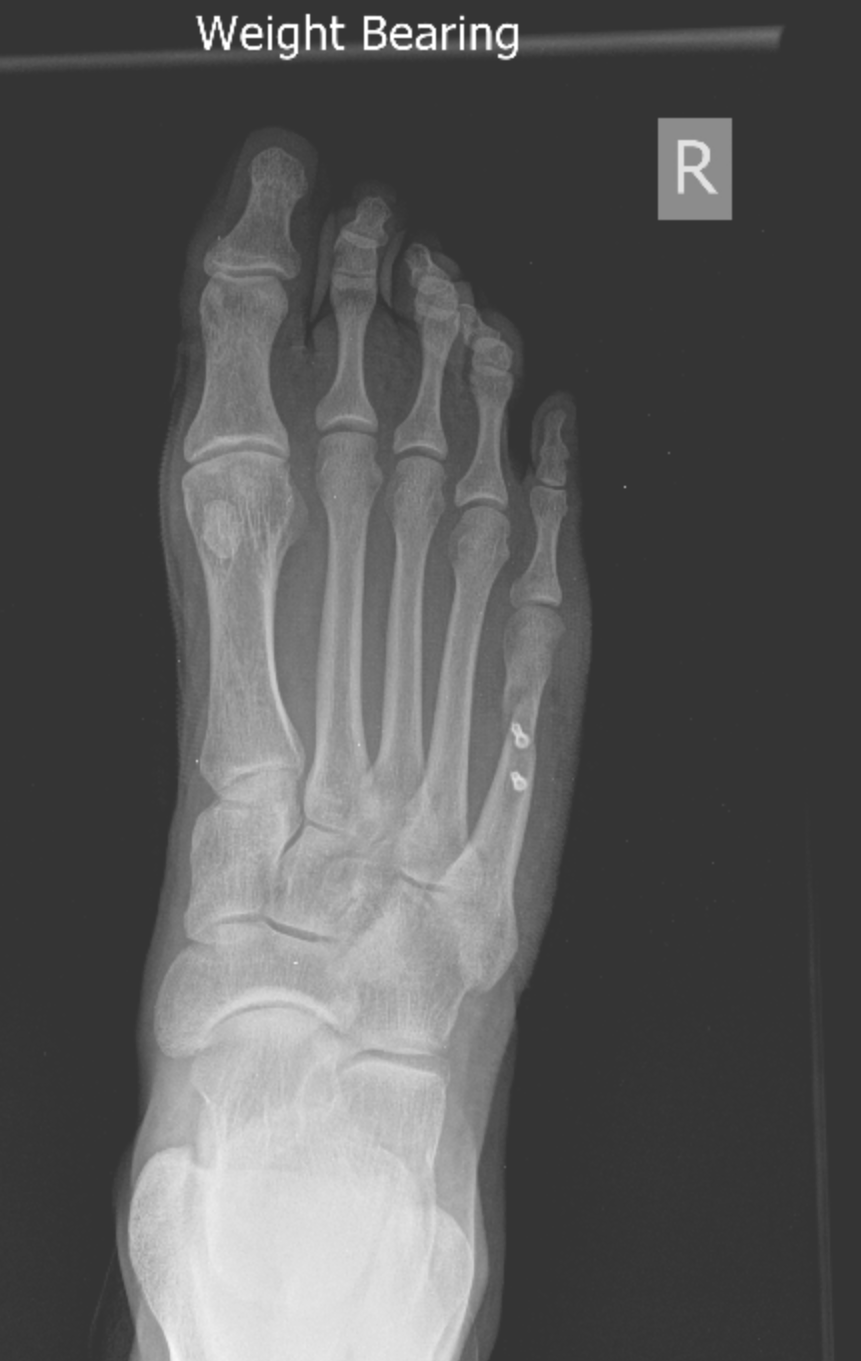
- Bunionette removal surgery: The bony prominence is removed, and the bone is realigned to improve foot function and appearance
- Osteotomy: A procedure where the metatarsal bone is cut and realigned to correct the deformity
- Excision of soft tissue: If there is a lot of soft tissue swelling or thickening around the joint, it may be surgically removed
PROGNOSIS
- Non-surgical treatments: Most people with mild bunionette deformities can manage their symptoms effectively with proper footwear and conservative treatments.
- Surgical outcomes: Surgery can be very effective in correcting the deformity and relieving pain. Recovery time varies, but most patients can return to normal activities within a few months after surgery.
- Prevention: Wearing properly fitting shoes and avoiding high heels can help prevent the development or worsening of a bunionette.