PATHOLOGIES

MIDFOOT AND HINDFOOT CONDITIONS

Flatfoot (Pes Planus)

What is it?

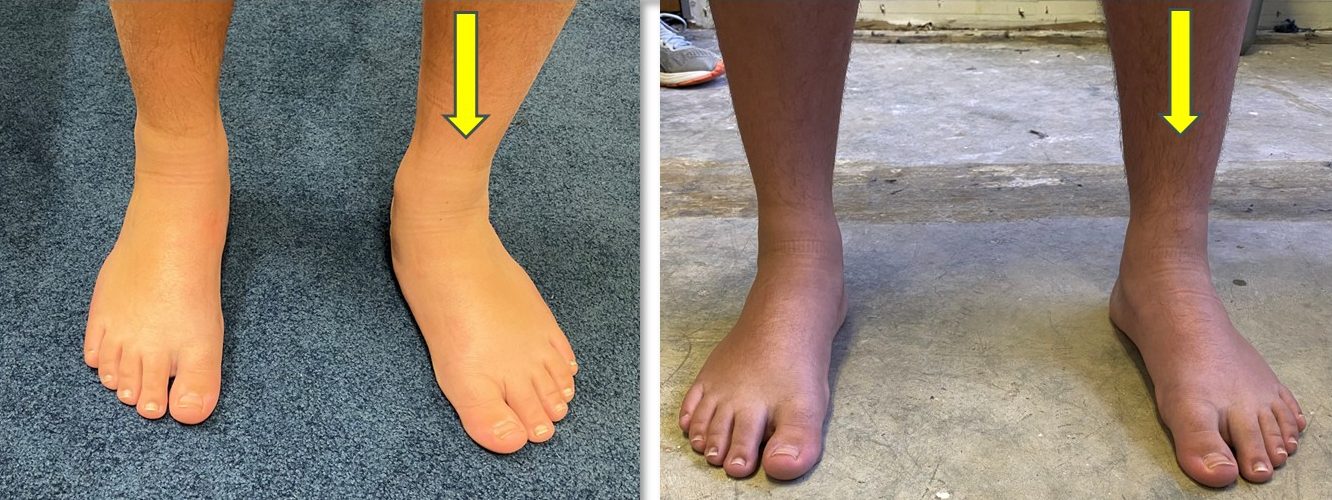
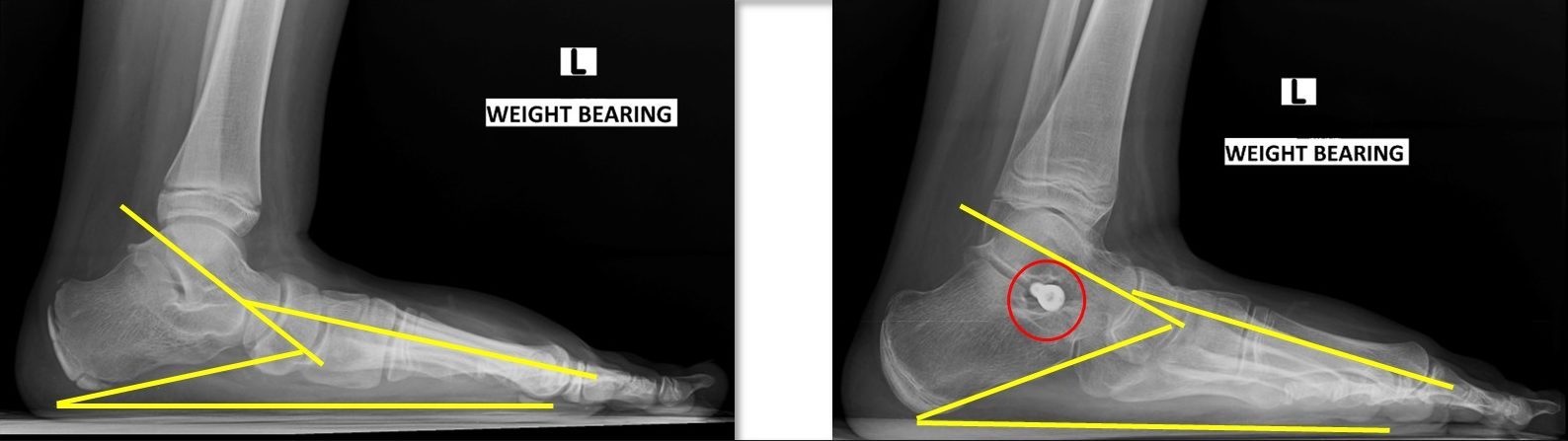
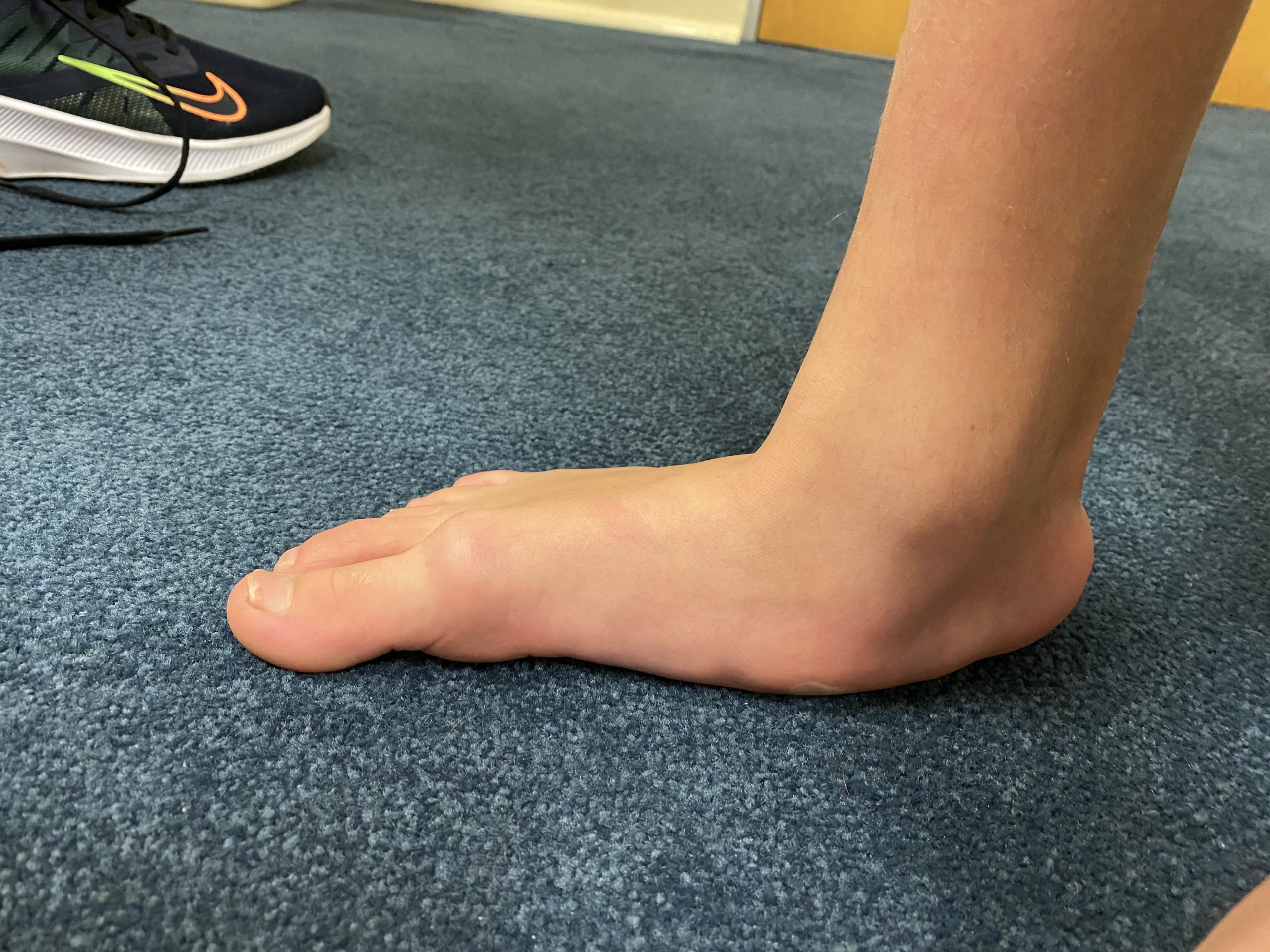
Flatfoot, or pes planus, is a condition where the arch of the foot collapses, causing the entire sole to come into contact with the ground. It can occur in one or both feet, and may be flexible (arch appears when non-weight bearing) or rigid (arch absent in all positions).

Types

  • Flexible flatfoot: Most common, especially in children. The arch is visible when the foot is off the ground. It is correctable on examination.
  • Rigid flatfoot: Less common and usually more severe. The arch is absent both in standing and sitting positions. It is not correctable on examination.
  • Acquired adult flatfoot: Often due to dysfunction of the posterior tibial tendon, which supports the arch.
CAUSES
  • Congenital (present from birth)
  • Posterior tibial tendon dysfunction (PTTD) – often in adults
  • Ligament laxity or hypermobility (e.g., in Ehlers-Danlos syndrome)
  • Arthritis or trauma
  • Obesity or diabetes (can increase risk of adult-acquired flatfoot)
  • Pain along the inner ankle or arch
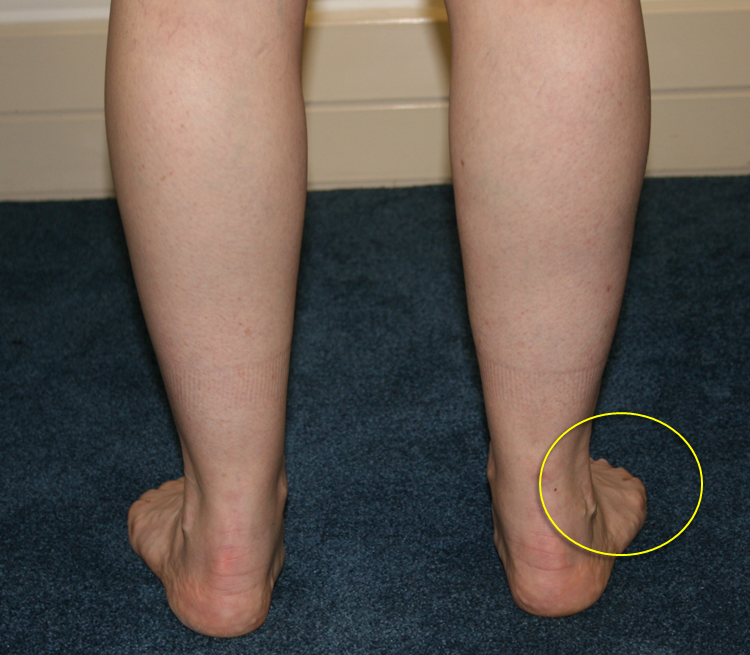
  • Swelling around the inside of the l foot
  • Fatigue or aching in the feet and legs, especially after activity
  • Difficulty fitting into shoes
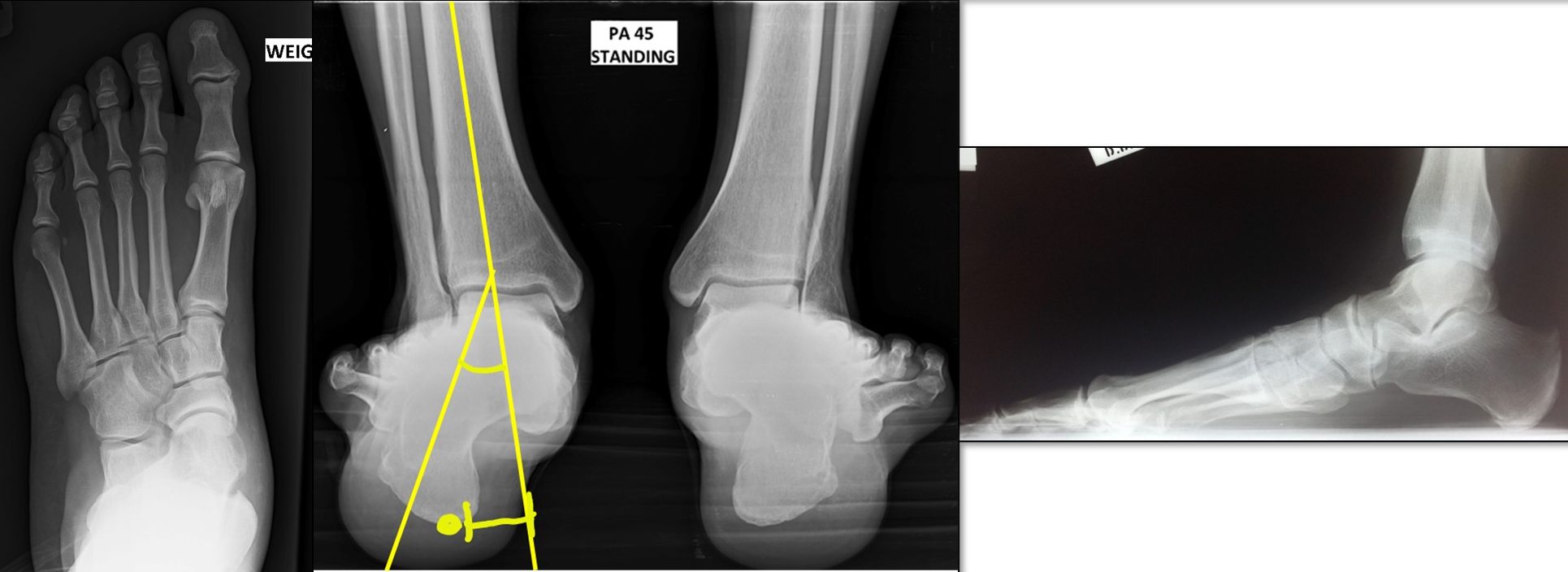
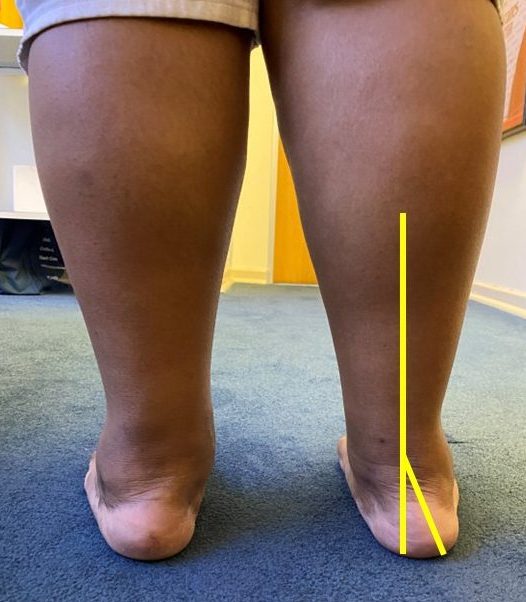
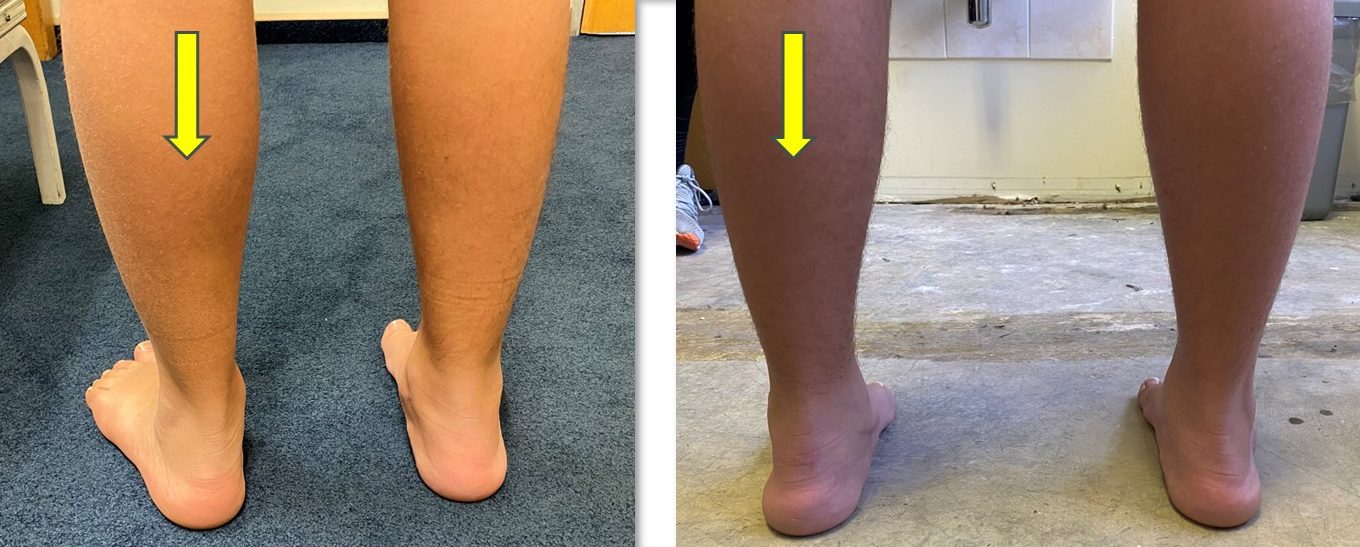
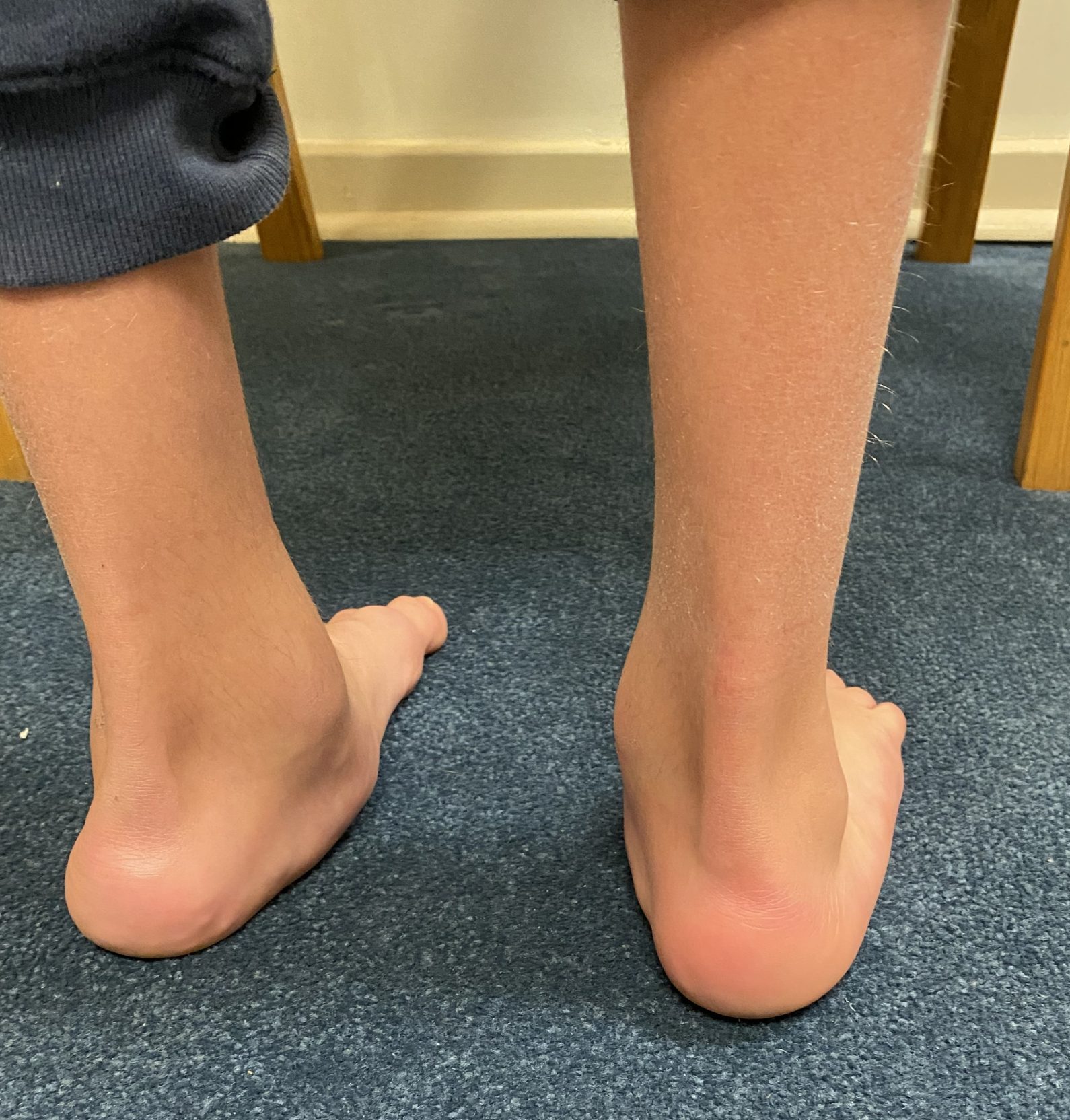
  • In more advanced cases: outward rolling of the ankle (hindfoot valgus), and eventual arthritis of foot joints
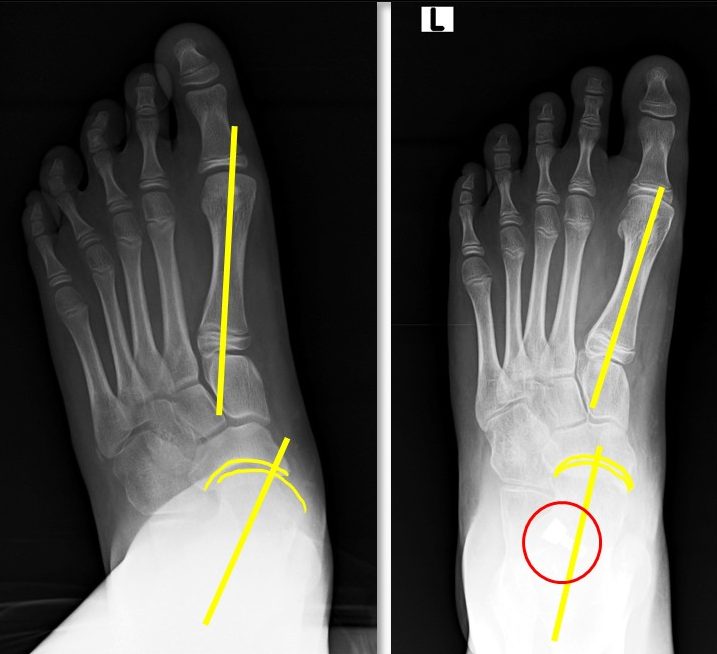
  • Clinical examination: Arch collapse, outward heeltilt, difficulty performing heel raises
  • Imaging:
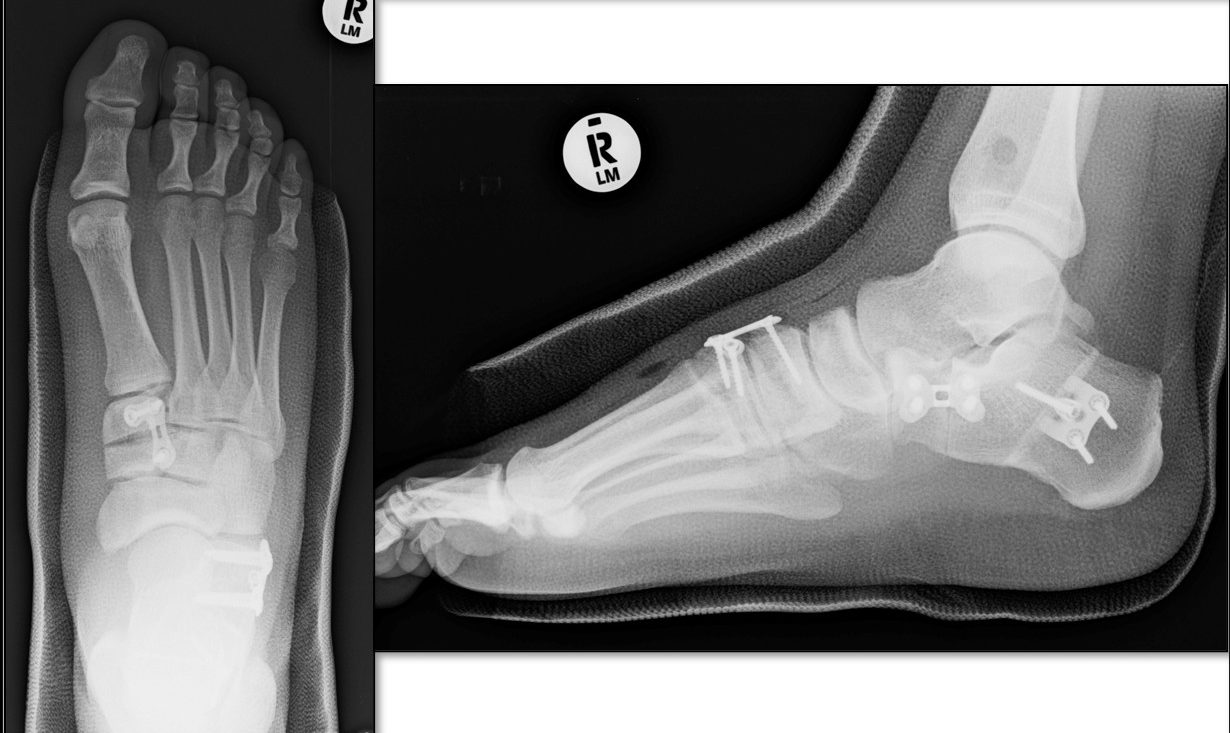
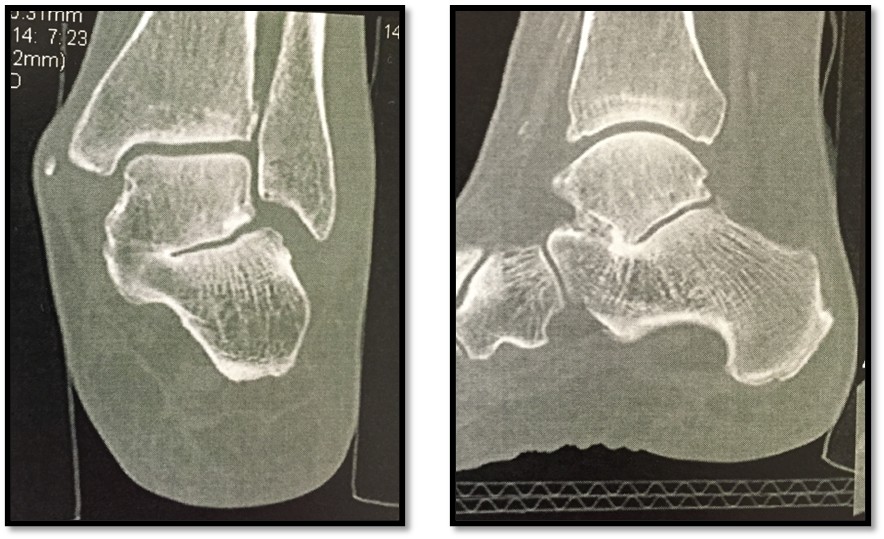
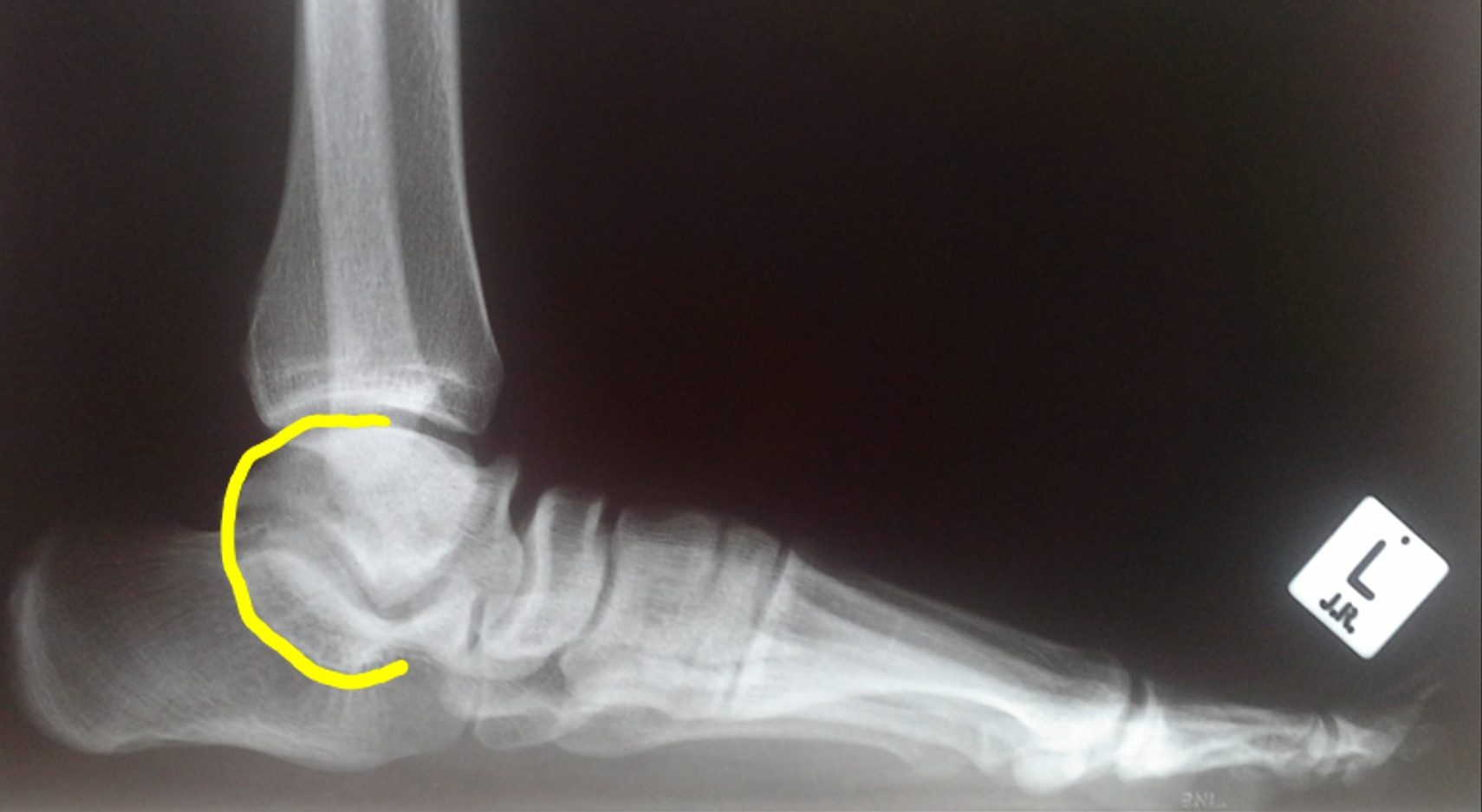
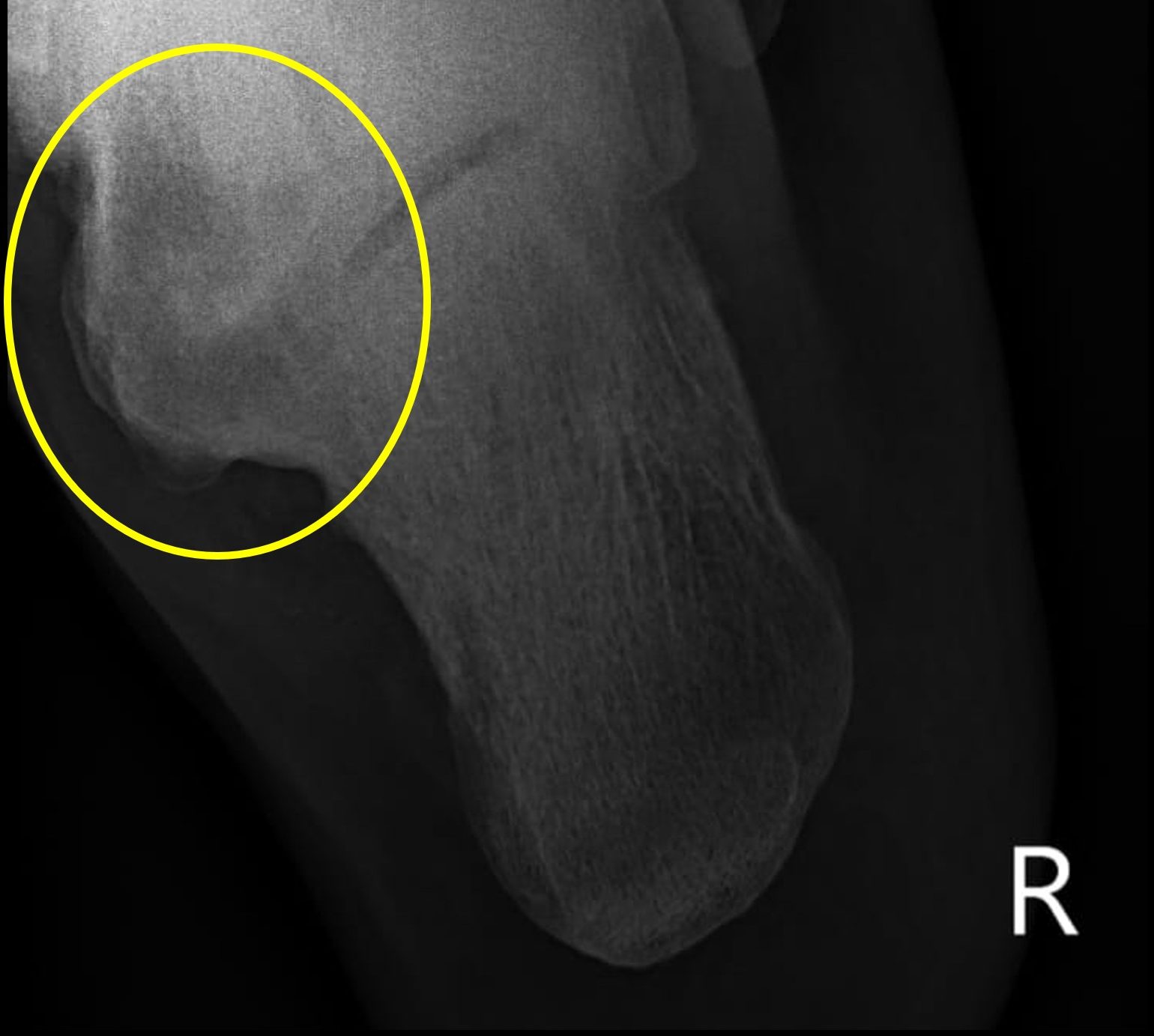
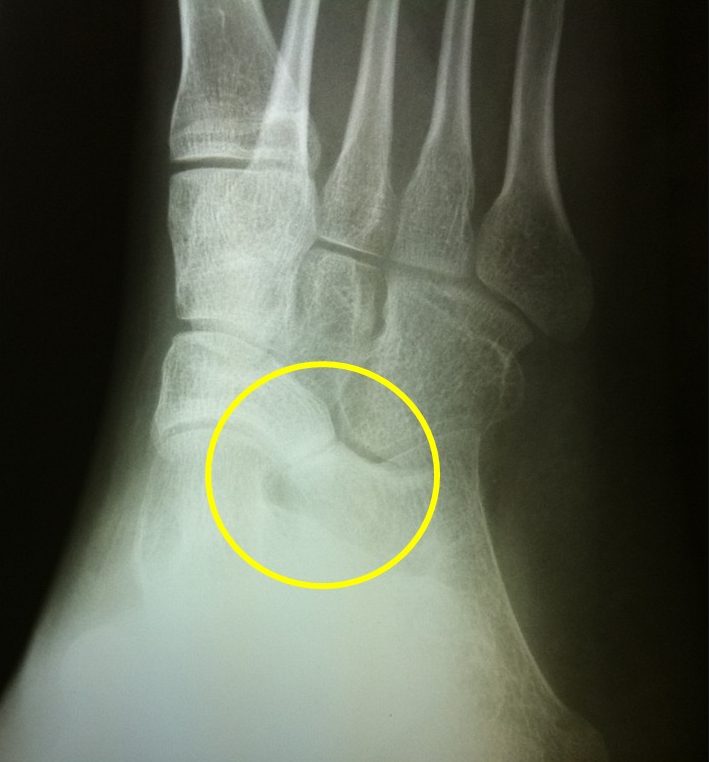
    • X-rays to assess bone alignment
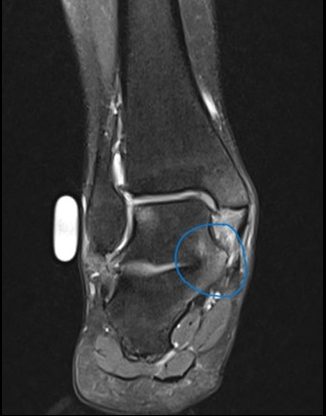
    • MRI or ultrasound may be used if tendon damage is suspected

Non-Surgical

  • Supportive footwear with arch support
  • Custom orthotics or insoles
  • Physiotherapy to strengthen the posterior tibial tendon and improve foot mechanics
  • Activity modification and weight management
  • Anti-inflammatories for pain relief

Surgical (for progressive or severe cases)

  • Tendon reconstruction or transfer (e.g., FDL tendon for PTTD)
  • Osteotomies (realigning foot bones)
  • Arthrodesis (joint fusion in severe deformities or arthritis)
  • Flexible flatfoot is often well managed with conservative care.
  • Adult-acquired flatfoot may progress if untreated but can be significantly improved with timely intervention.

Paeds