info@footandankleunit.co.za | +27 11 647 3735 | +27 11 485 1974 | +27 11 647 3435
PATHOLOGIES
TENDON AND SOFT TISSUE CONDITIONS
Insertional Achilles Tendinosis
What is it?
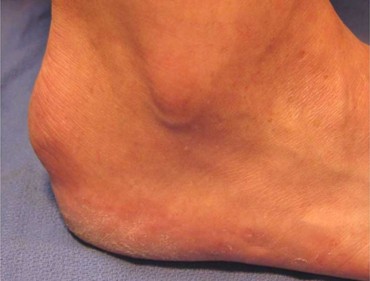
Insertional Achilles tendonitis refers to inflammation or degeneration of the Achilles tendon at its attachment to the heel bone (calcaneus). Unlike mid-portion Achilles tendonitis, which occurs along the body of the tendon, insertional tendonitis specifically affects the tendon where it inserts into the bone, often causing pain and stiffness in the lower heel area.
CAUSES
- Overuse: Repeated stress, especially during activities like running, jumping, or climbing stairs
- Tight calf muscles: Reduced ankle flexibility puts added strain on the tendon
- Improper footwear: Shoes lacking proper support or cushioning
- Age-related degeneration: Tendon weakening due to aging and wear over time
- Flat feet or abnormal foot mechanics: These conditions may increase stress on the tendon
SYMPTOMS
- Pain at the back of the heel, especially with activity or after prolonged standing
- Tenderness directly over the tendon’s insertion point at the heel
- Swelling and warmth around the back of the heel
- Stiffness or tightness in the Achilles tendon in the morning
- Pain that worsens with activities like running, climbing, or walking on inclines
DIAGNOSIS
- Clinical exam: Palpation for tenderness and swelling at the insertion point of the tendon
- Thompson test: To assess for Achilles tendon rupture
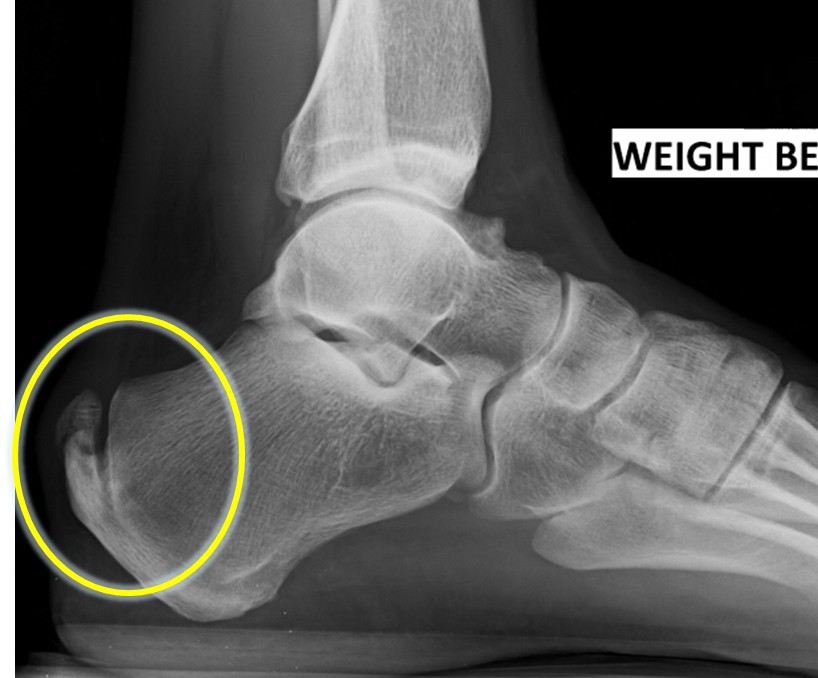
- X-rays: To detect any bone spurs or calcification around the tendon attachment
- Ultrasound or MRI: To assess the degree of tendon damage or inflammation
TREATMENT OPTIONS
Non-Surgical
- Rest and activity modification to reduce strain on the tendon
- Ice therapy: Helps reduce inflammation and pain
- NSAIDs or other pain relievers to manage pain and inflammation
- Heel lifts or orthotics to reduce stress on the tendon during walking
- Physical therapy: Eccentric strengthening exercises to improve tendon function and reduce strain
Surgical
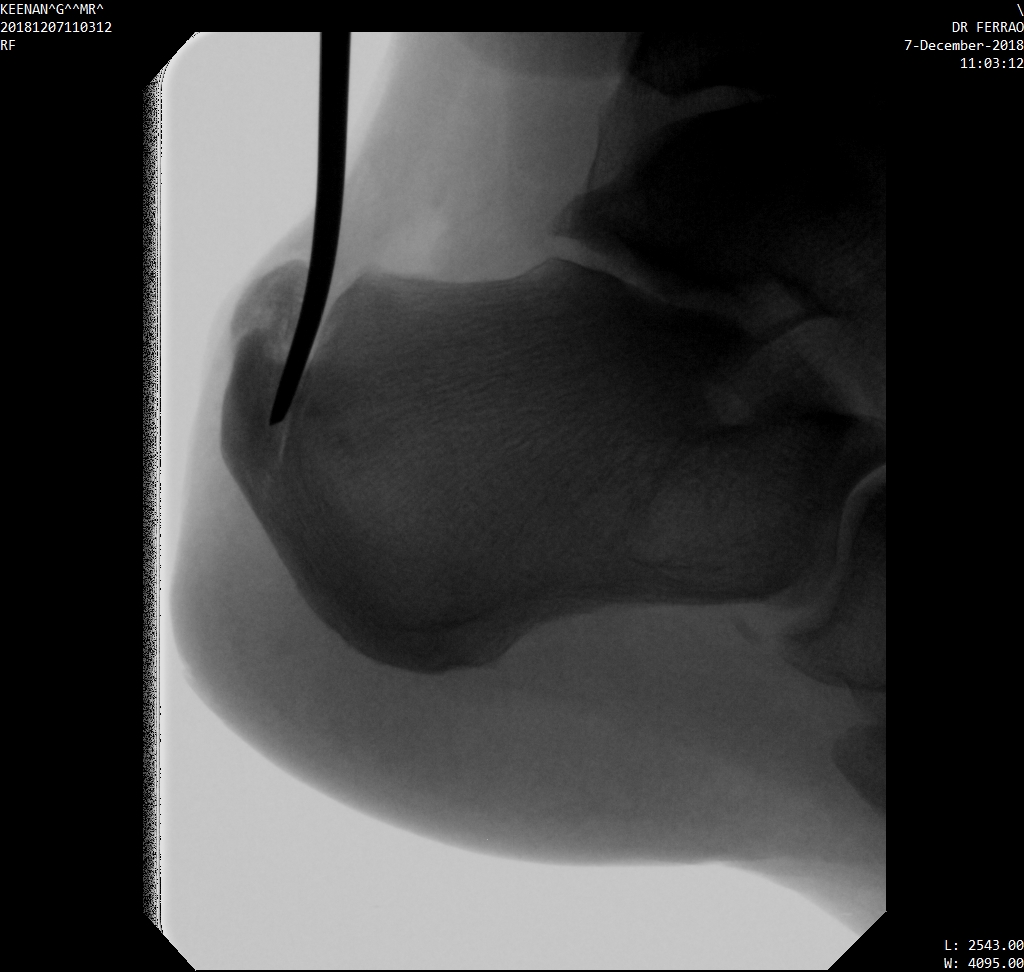
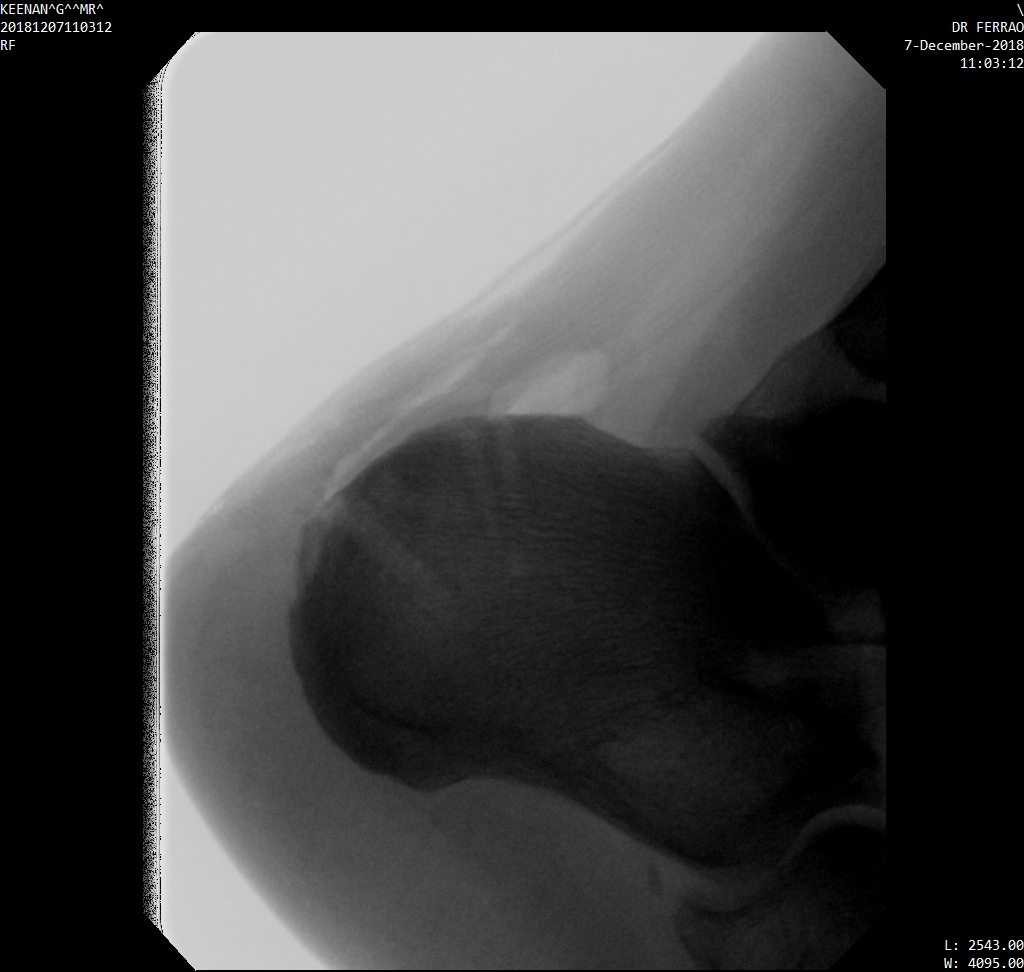
- Surgical debridement: In severe cases, removing damaged tendon tissue or bone spurs may be necessary
- Achilles tendon repair: In cases of tendon rupture or significant degeneration
- Surgery is typically reserved for cases that do not respond to conservative treatments after 6–12 months
PROGNOSIS
- Conservative management of insertional Achilles tendonitis may lead to gradual pain relief and recovery, however surgical intervention is often required
- Surgery is generally effective for patients with persistent symptoms or significant tendon damage
- May require tendon transfer if Achilles tendon is severely damaged