info@footandankleunit.co.za | +27 11 647 3735 | +27 11 485 1974 | +27 11 647 3435
PATHOLOGIES
FOREFOOT CONDITIONS
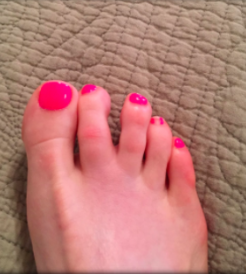
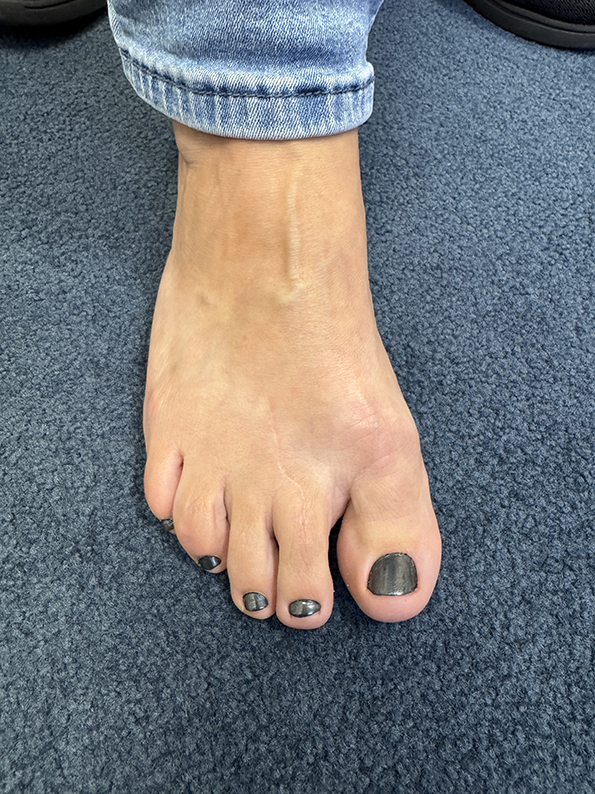
Hammer, Claw, Mallet, and Curly Toes
What are they?
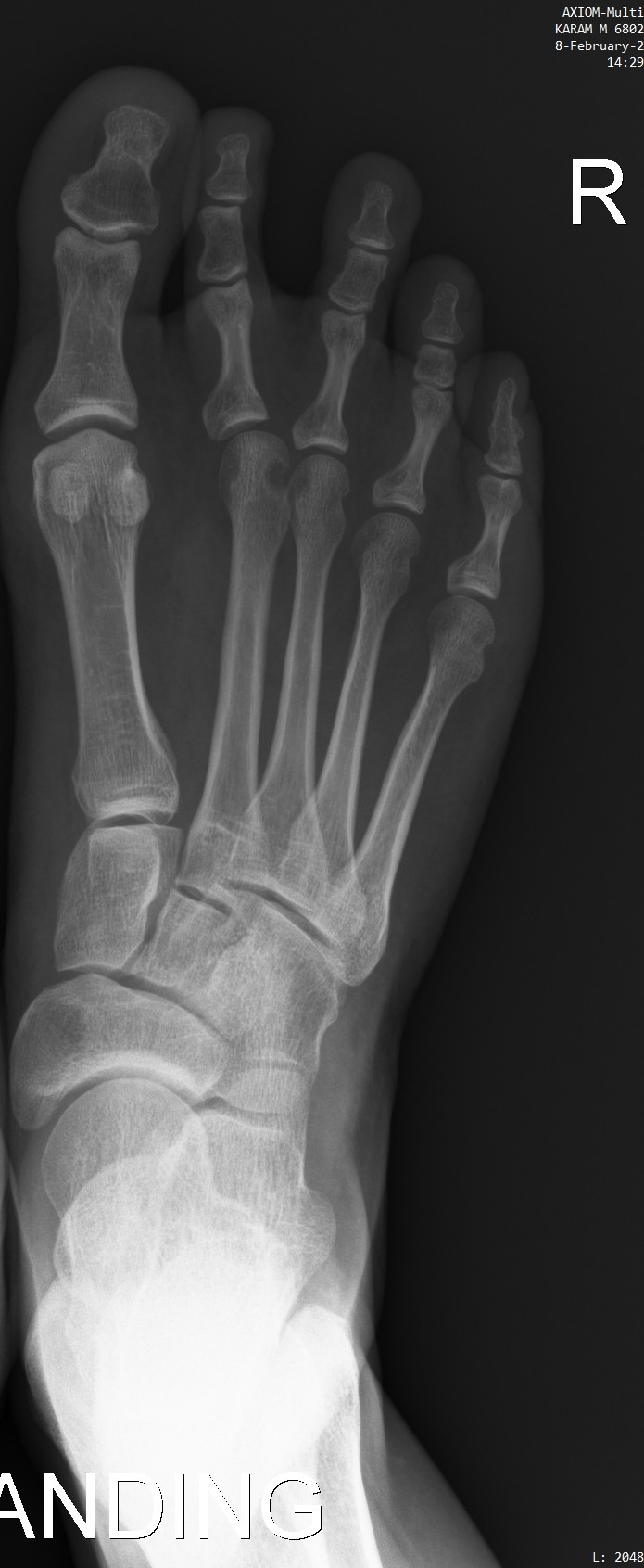
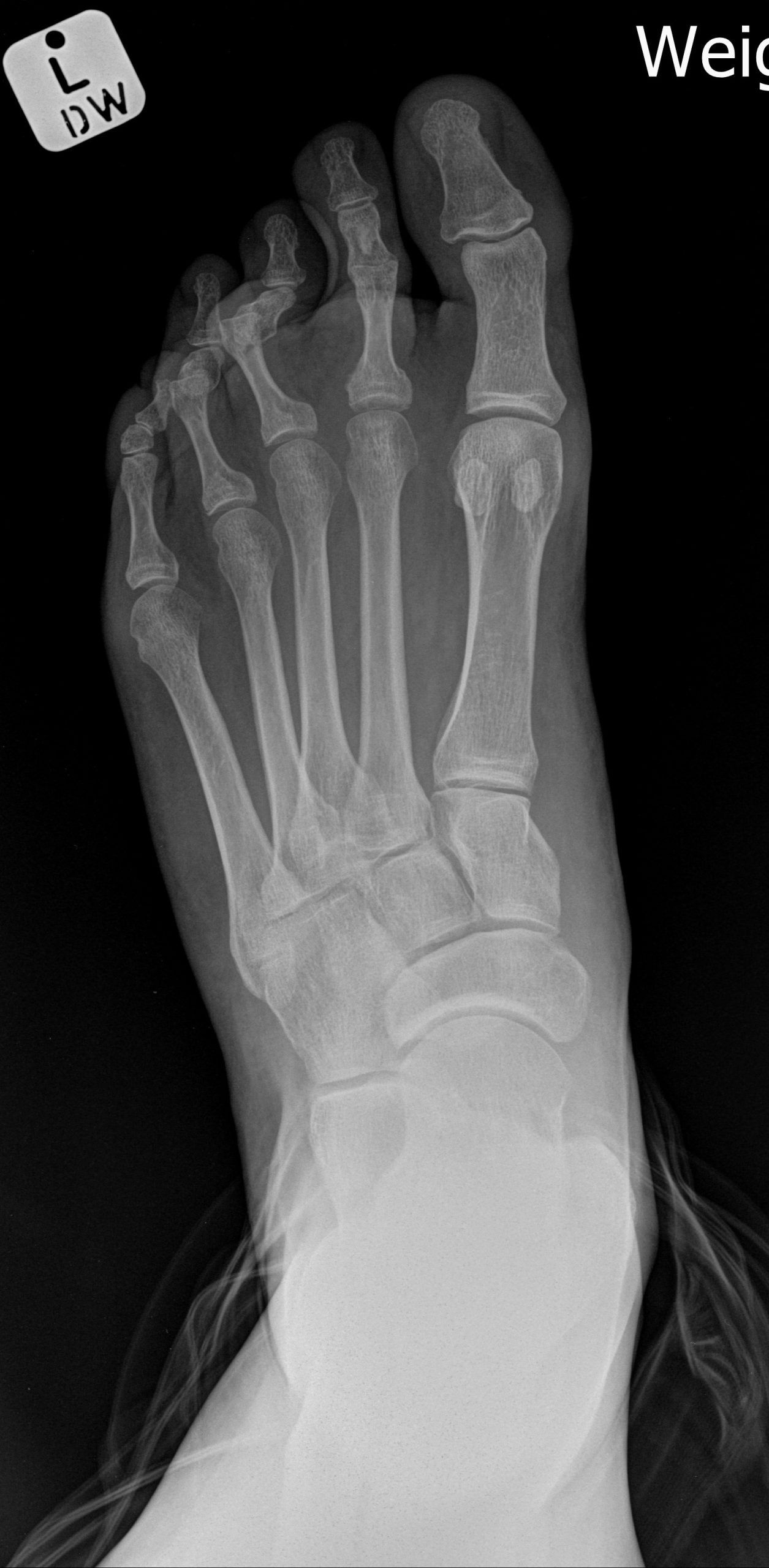
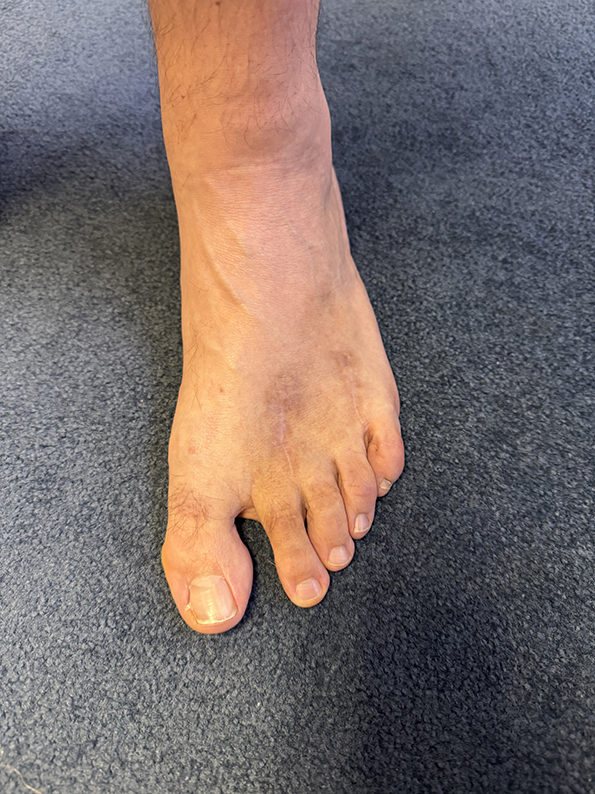
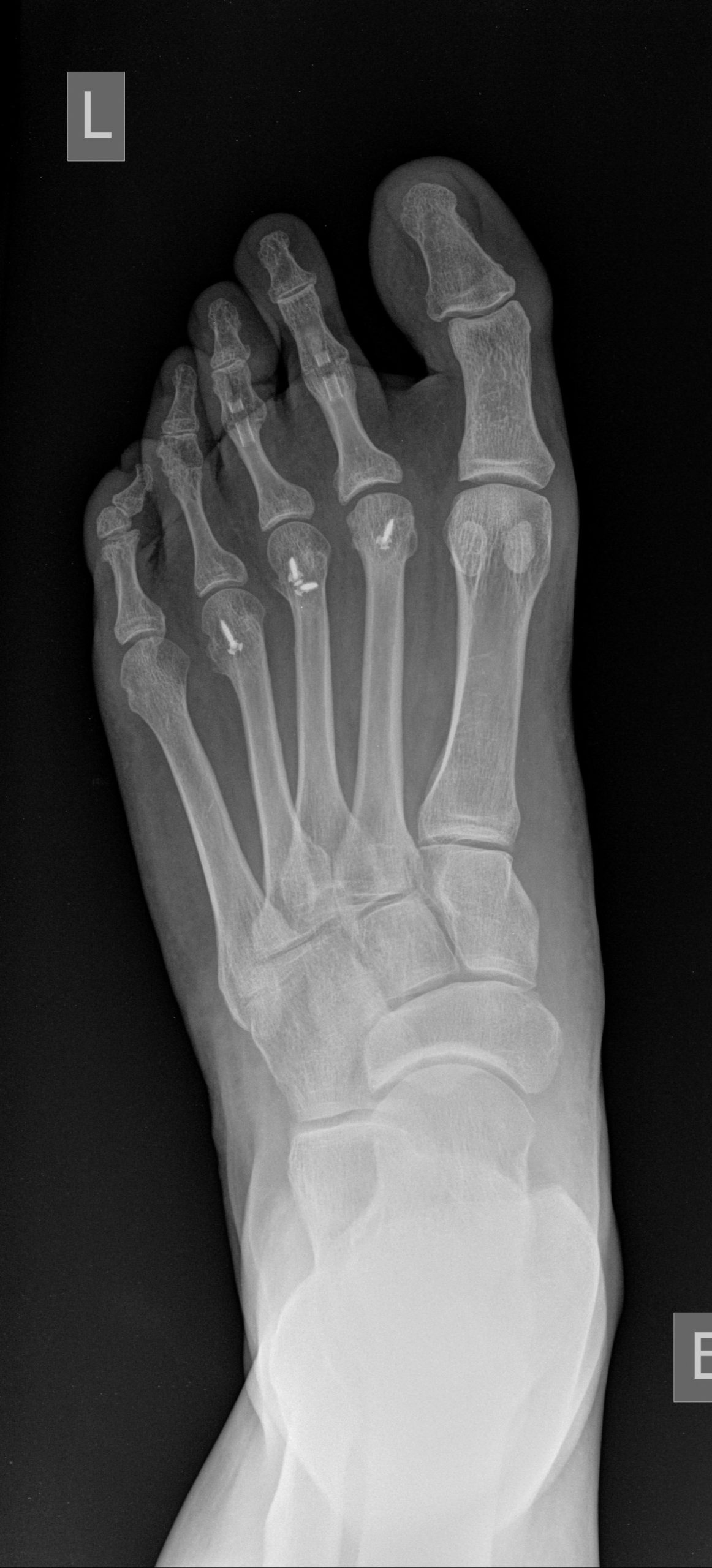
Hammer, claw, mallet, and curly toes are all deformities affecting the toe joints. These conditions cause abnormal bending of the toes, leading to discomfort, difficulty wearing shoes, and sometimes pain with walking. Each condition involves different joints and degrees of toe misalignment.
Hammer Toe
Hammer toe involves a bending of the middle joint of the toe, causing the toe to resemble a hammer. It most commonly affects the second toe, but can occur in other toes as well. Often seen in middle to older females
- Symptoms:
- Pain at the joint, particularly when wearing shoes
- Corns or calluses on the top of the toe
- Difficulty straightening the toe
Claw Toe
Claw toe is a more severe deformity where both the middle and end joints of the toe bend downward, causing the toe to curl into a claw-like shape. Often associated with neuromuscular conditions
- Symptoms:
- Pain or discomfort on the top of the toes or underneath the toe joints
- Corns or calluses on the tops or underneath the toes
- Difficulty balancing due to the toe’s curled position
Mallet Toe
Mallet toe is similar to hammer toe, but only the tip of the toe is bent downward. Often congenital or traumatic
- Symptoms:
- Pain and discomfort at the tip of the toe
- Corns or calluses at the tip of the toe
- Difficulty bending or straightening the toe
Curly Toe
Curly toe is a less common condition, generally paediatric, where the toe curls downwards, typically affecting the second or third toe. Often congenital
- Symptoms:
- Inward curling of the toe toward the other toes
- Pain or discomfort when wearing shoes or walking
- Difficulty with toe movement and limited flexibility
- Development of corns or calluses between the toes
CAUSES
- Improper footwear: Tight shoes that constrict the toes or shoes with high heels
- Neurological conditions: Such as cerebral palsy, stroke, or diabetes
- Foot abnormalities: Flat feet, high arches, or muscle imbalances that alter toe positioning
- Trauma or injury: Previous fractures or damage to the toe
- Genetics: Family history or predisposition to toe deformities
- Developmental issues: Curly toe may be congenital (present at birth)
SYMPTOMS
- Pain: Especially when wearing shoes or engaging in activities that stress the toes
- Deformity: The toes may appear bent, curled, or misaligned
- Calluses or corns: Forming on the tops of the toes, on the tip of the toe, or between the toes
- Difficulty walking: Especially if the deformity leads to imbalance or discomfort
DIAGNOSIS
- Clinical examination: A physical exam to check for visible toe deformities
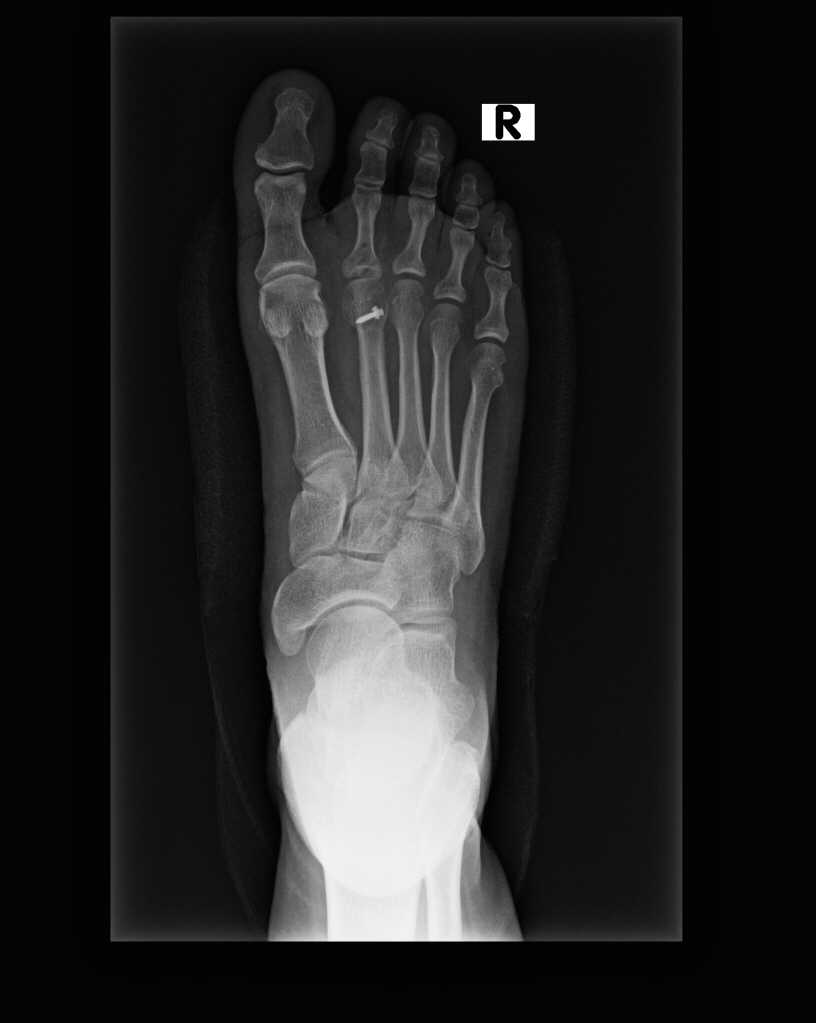
- X-rays: To assess the severity of the joint deformity and rule out other issues
- Footwear history: Identifying any shoe-related causes
TREATMENT OPTIONS
Non-Surgical
- Footwear modification: Shoes with a wider toe box, cushioned insoles, and extra depth to accommodate the toes
- Padding or orthotics: To reduce pressure on the toes and help straighten or realign them
- Toe exercises: Stretching and strengthening to improve toe alignment and mobility
- Splints or straps: To hold the toes in a more natural position
- Corticosteroid injections: For pain relief in the affected joints (used cautiously in non-surgical cases)
Surgical
Surgery may be recommended for severe or persistent cases that do not improve with conservative treatments:
- Tendon release: To loosen tight tendons and straighten the toes
- Joint fusion: For more rigid deformities, to prevent further movement of the affected joint
- Corrective surgery: To reposition the toe and improve alignment
- Deformity correction: In curly toe, surgery may be needed to straighten the toe and relieve discomfort
PROGNOSIS
- Mild cases can often be successfully managed with non-surgical treatments such as proper footwear and exercises.
- Surgery is typically reserved for more severe cases or when non-surgical methods fail to alleviate pain and discomfort.
- Early treatment is important to prevent further worsening of the condition.